

It was a big week last week with earnings and the Federal Reserve meeting. Now the markets move forward with the new information—then we get payrolls data.
The Fed kept interest rates steady, however three members voted to raise rates
Most of the Mag 7 stocks reported strong earnings, and the AI trade could continue onward
Non-Farm Payrolls hit on Friday
The markets will be focusing on inflation and what the Fed could do next. My thinking is that the Fed will intentionally drag its feet and let the markets do the work for them; it already started. This could be softer for the economy, but longer lasting.

Inflation data
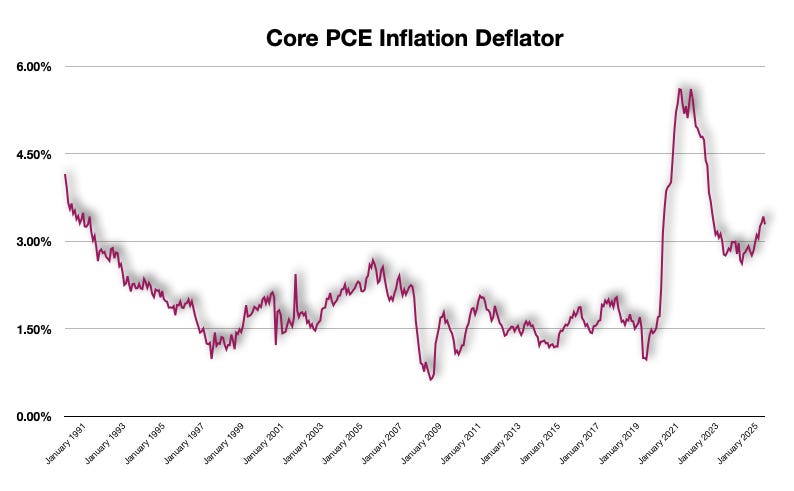
Inflation data came in last week and the core rate remains steadily above the Federal Reserve target rate with the core PCE at 3.21% annualized. The markets are trying to sort out if the Fed is behind the curve, and already, bond vigilantes are making their opinions heard—the 30-year Treasury yield continues to move higher.
The Fed left interest rates as they were, but three board members voted for an increase in the overnight rate. The bond market is seeing the lack of move as potentially being behind the curve—this may be why the 30-year is moving upward as it is.
This coming Friday, payrolls data hits, and if the number is strong, I can see the bond vigilantes selling more and pushing yields higher.
Personal Incomes & Expenditures
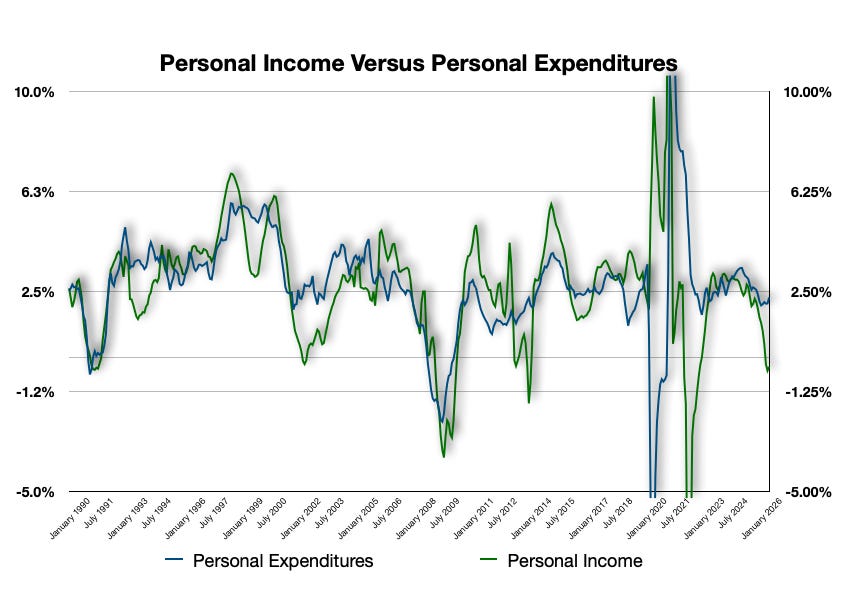
This will always be one of my most important economic indicators: Personal Incomes & Personal Expenditures. Income growth remains negative, however expenditures is still somewhat resilient. The problem with this data point is that you have to ask why expenditures is still higher than normal considering where the consumer really is. The answer is that expenditures is a lagging indicator. On top of that, we are seeing credit card delinquencies at levels not seen since 2011. The read is that while income growth has dwindled, and prices continue to rise, the consumer is making do via credit card purchases. This is a problem we are beginning to see play out that with delinquency rates increasing: this is unsustainable.
Eventually, I expect that expenditures will soften, but not until we see a decline in employment. Again: this Friday’s number could give us a lot of information.
Confidence
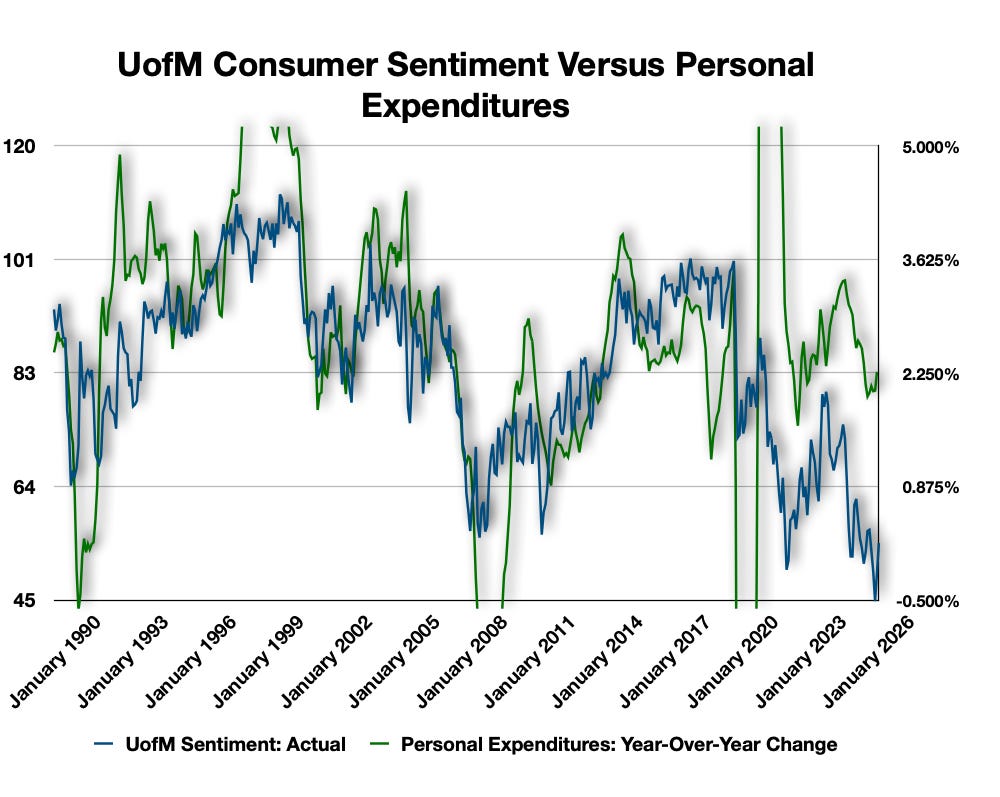
Confidence has improved somewhat, but the bar was so low, there was only one way to move. There may be some lag with expenditures, but I expect to see a move slightly lower in time. This will play out in revenues for companies. Once expenditures begin to decline, corporate revenues will follow.

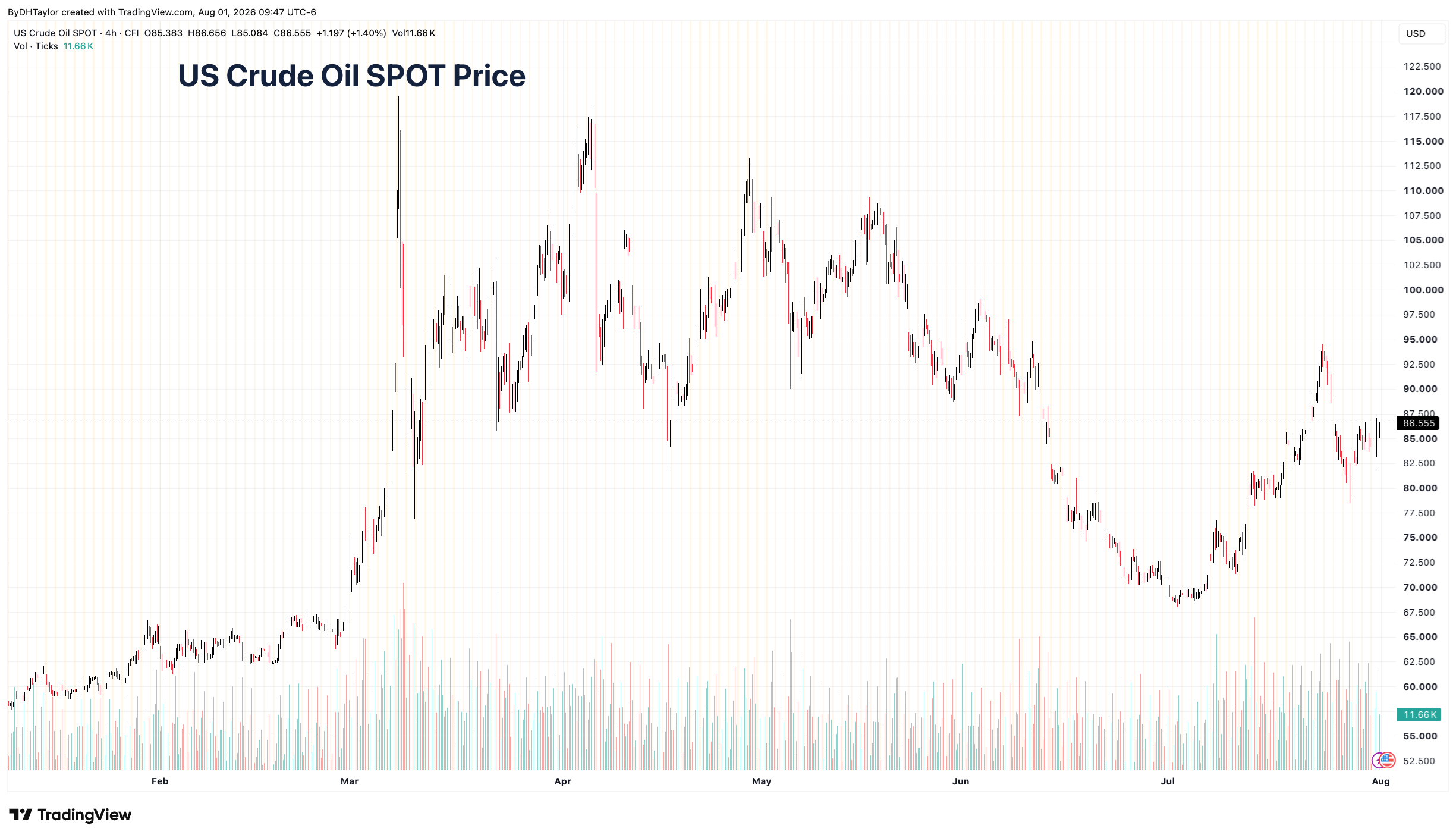
As of the time of this writing, TACO has occurred again, and there is an expectation that yet another deal will occur to halt fighting between Iran and the United States. That being said, I have almost zero expectations any new deal will benefit the United States, and that Iran will assert its domain over the Strait of Hormuz. This is exactly what the United States does not want, but the US cannot defeat Iran.
I have zero confidence this is over, and we will revisit more conflict between Iran and the United States sometime soon.
In the meantime, oil prices should come back down again, but it may not be that we see the same levels pre-conflict any time soon.

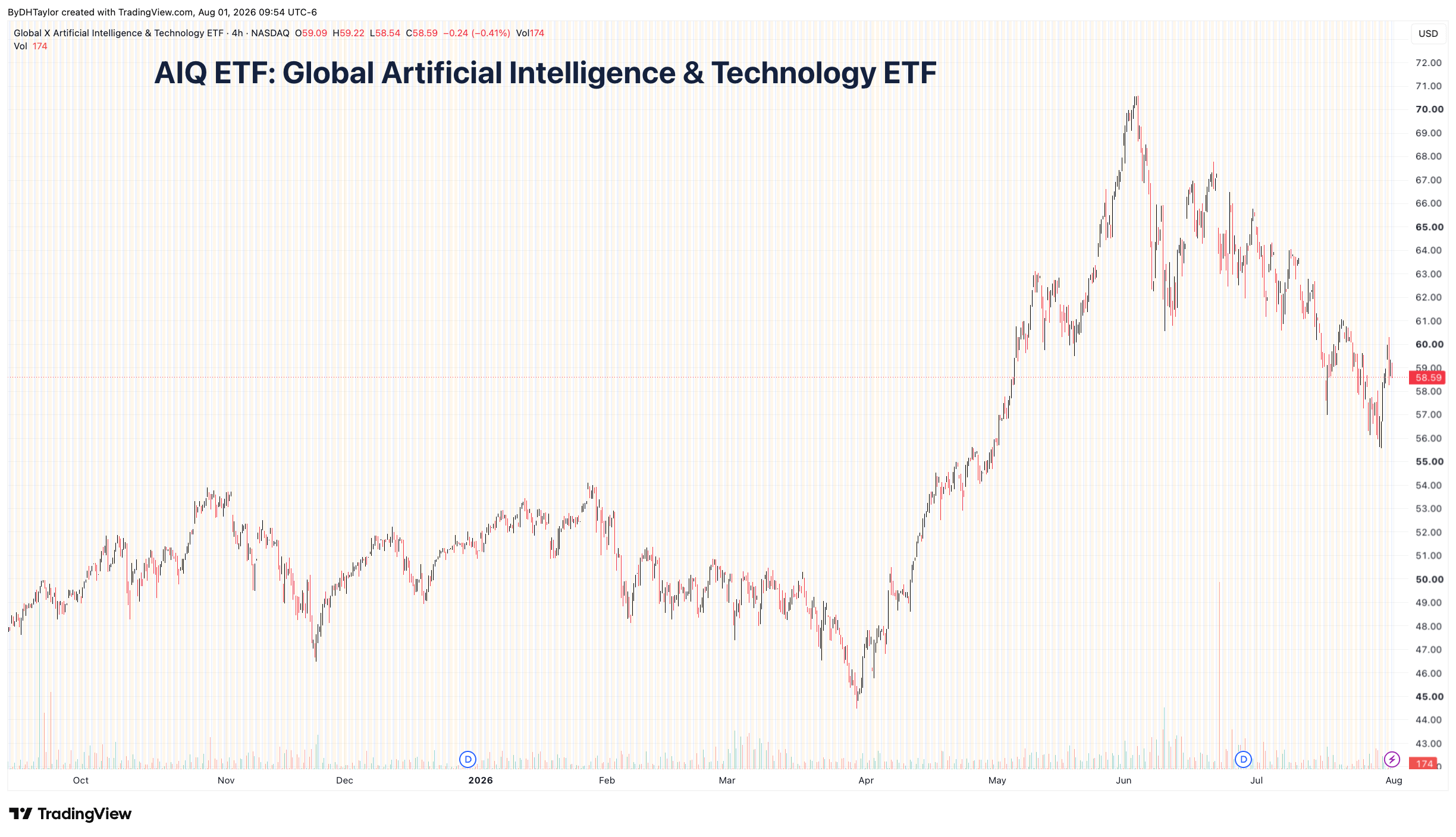
We got a lot of information over the past week, and most companies reported very strong earnings. Most. Except META, which they had already indicated that they were pivoting from the ultra-intense CapEx spending. When META announced just two weeks ago that they were creating a new strategy to lease off their spare capacity, to me that said that META has figured they built too much capacity. Let me rephrase that: META has overbuilt AI capacity. They are now searching for new avenues to use this spare capacity, which calls into question how the current build will be paid for.
Aside from META, all other AI companies reported strong returns, and the market response lifted these stocks from their recent lows.
As long as the circular investing scheme is circulating, AI stocks may very well continue upward. Front-running the downside may be risky—I’ve been front-running the downside, but I built in a lot of time and slack.

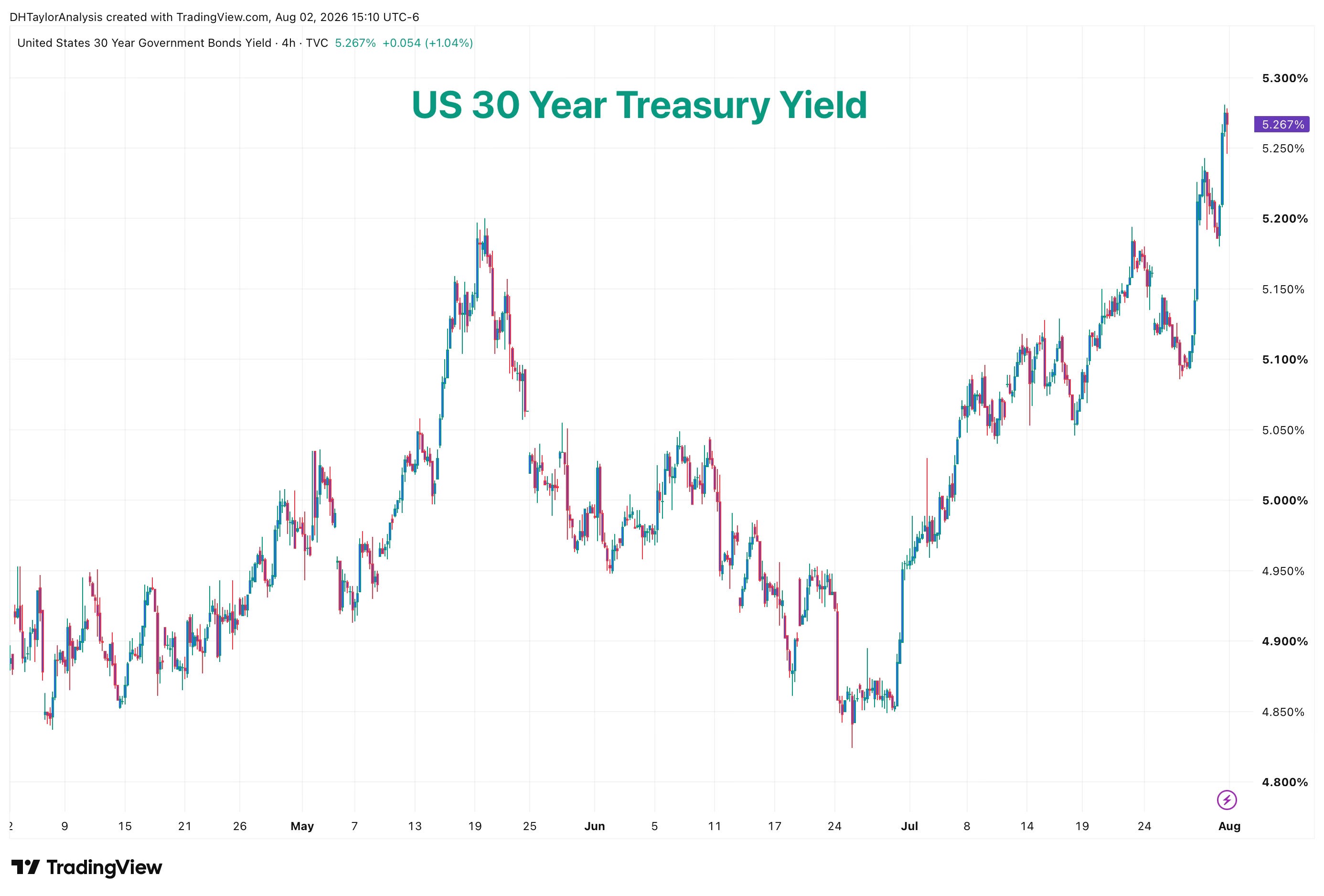
This is what market participants should be looking towards: The Bond market. the 30-year Treasury is well above the 5.00%, and climbing.
The long end of the curve continues to elevate. The Federal Reserve may be counting on this as higher interest rates on the long end will dampen economic activity, which eventually will factor into lower inflation levels.
The Fed may wait a bit longer to let inflation levels soften after the spike from energy prices. This could work to contain price pressures, but at the expense of consumer capabilities.

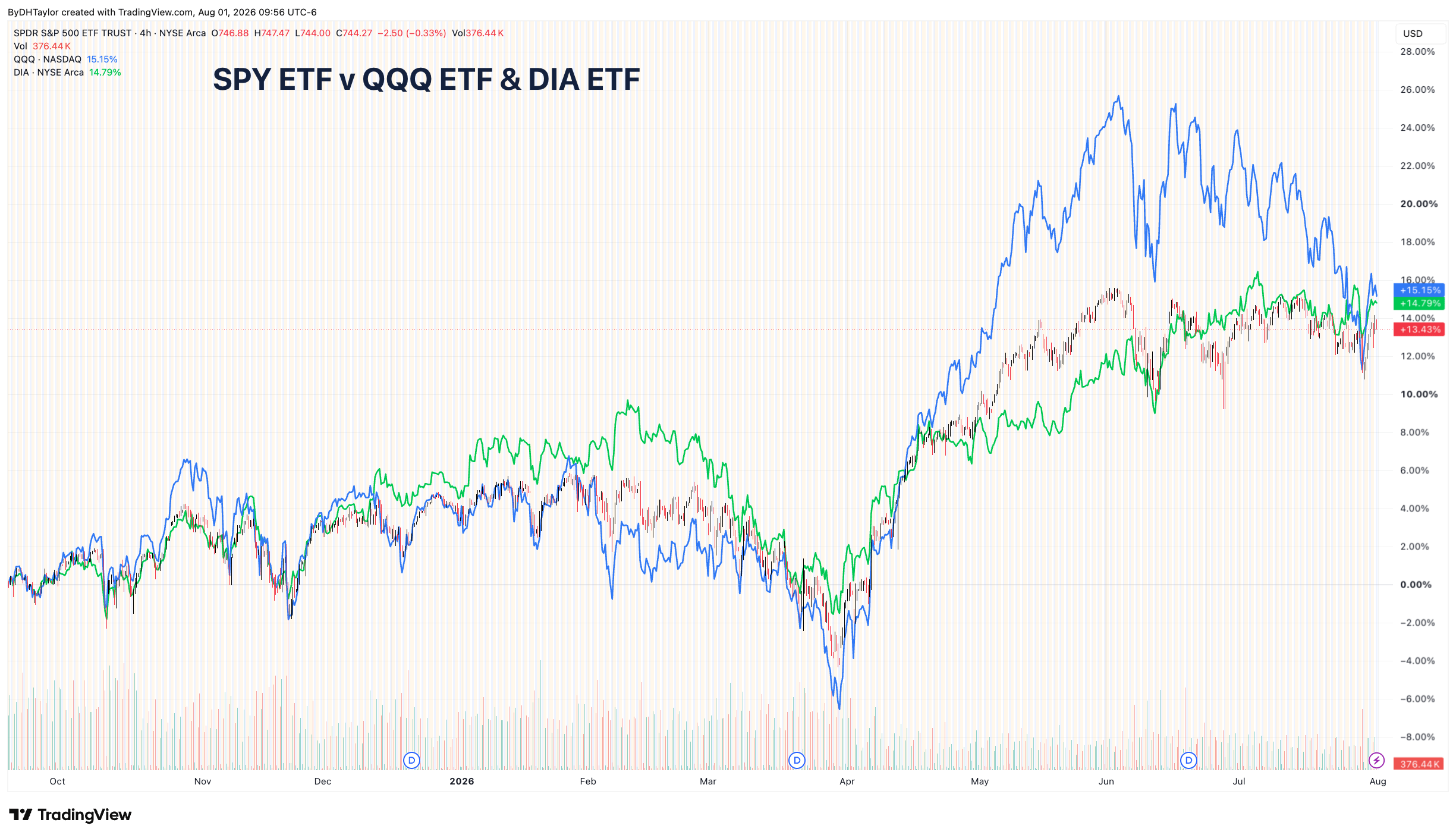
The economy is more than simply AI stocks. Yet, many of the S&P 500 stocks that have reported have come in meeting or exceeding expectations. Until the weight of the tariffs and increased energy prices actually dampen consumption, corporations may be able to continue to maintain profitability.
I wonder, however, how long that can go on. The Friday’s non-farm payrolls will show the market what new developments are occurring in the economy if any, or if the economy continues to plod along.
A strong number would more likely than not push the 30-year higher in response. A soft number could do the opposite.
For now, TACO has allowed the stock markets to move back upwards with oil prices gaining.
