
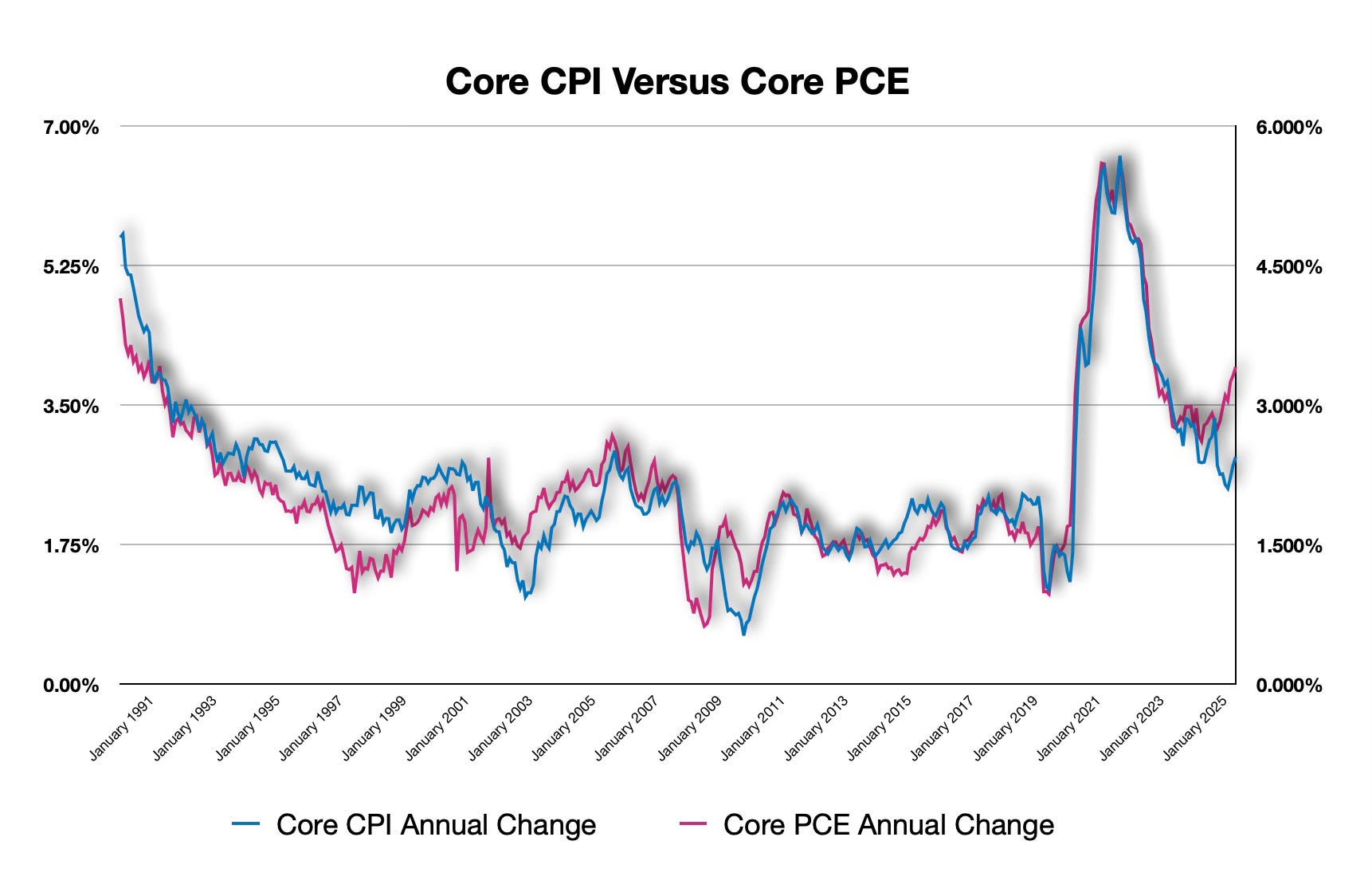
Tuesday, important inflation dat hits, and it could be a market-moving event. The Consumer Price Index from the BLS.gov site is expected to increase by 0.3% for the month-over-month change in June. If inflation continues to come in hot, the chances of rate increases grow more. The Federal Reserve would need to step in and begin to restrict economic activity to contain price increases—that means higher interest rates. The stock market may not like any big surprises given expectations are that there could still be a soft landing and lower interest rates.
At the very top of this, I have Core PCE & Core CPI overlapped. While the two are relatively the same, there are enough differences that looking at both can help with determining where issues lay. While PCE has come in much hotter, if CPI follows, this might be the market catalyst for selling.
Here are a few big bullets to watch for, and what I am keeping my eyes peeled toward:
Core CPI - are core prices moving upward on oil price increases?
Shelter & Services - have increases in prices for basic products begun to move other parts of the economy?
Goods Prices - have tariffs and AI buildout pressures continued to push overall costs higher?
Monthly Annualized Pace - how fast are price pressures growing?
Scrutinizing the more minute aspects of the inflation data will be key.
Adding to that, the news out of the Strait of Hormuz and attacks between Iran and the United States are sending markets running for cover in early trade Sunday night. If the Strait remains closed for a prolonged period, this will push price pressures even further, and that may keep the markets on its heels.
While this is going on, this week also begins earnings season. The markets will be scrutinizing for any signs from banks, who report first, as to what consumer credit looks like. If consumers appear even more stretched, and reporting from banks starts to shift into slower gearing, this could also send markets into negative.
Overnight Borrowing Rates
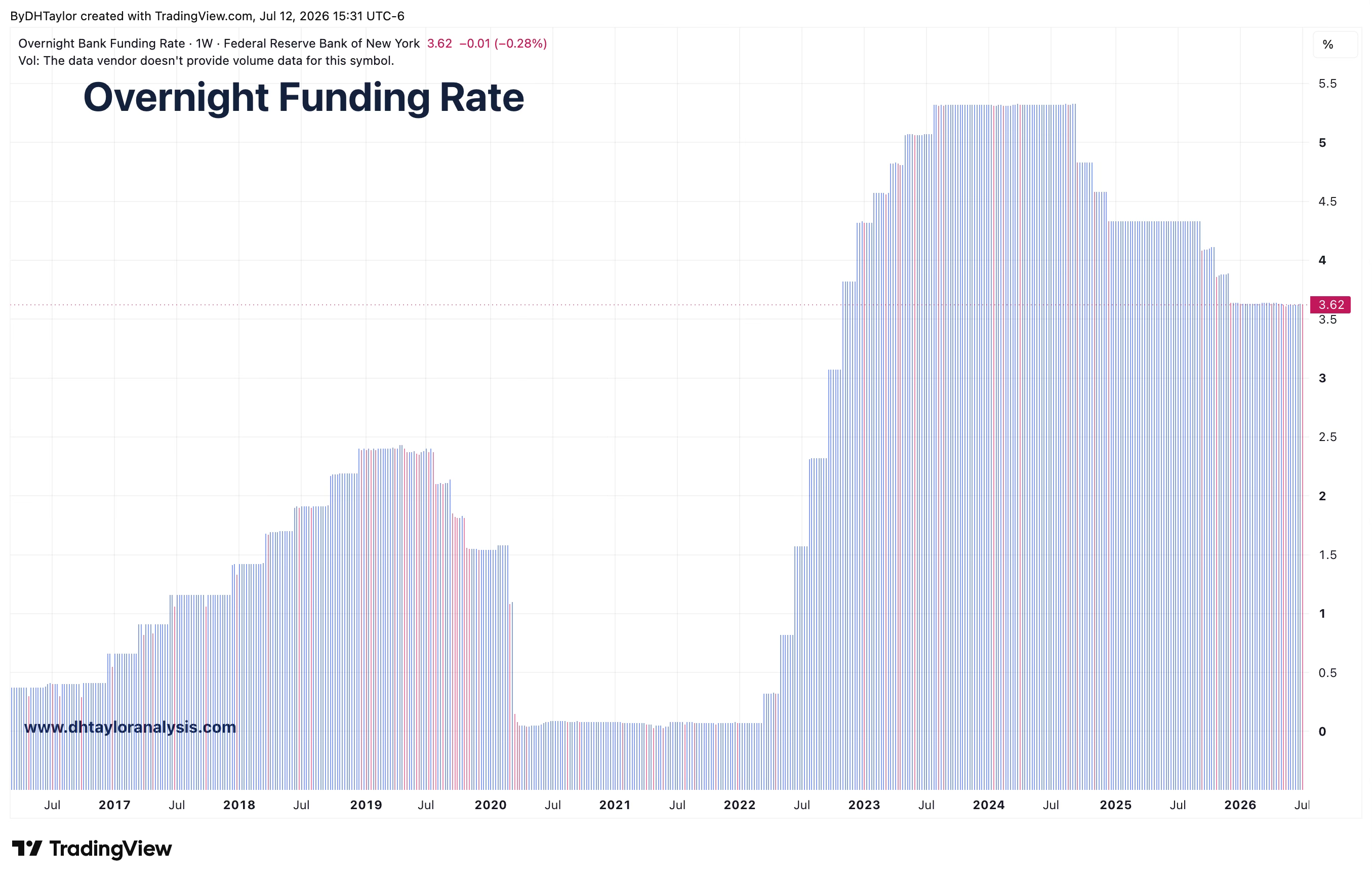
The Fed pushed interest rates up all through 2022 - 2023. Then, in October, the Fed signaled they would likely pause where they were with interest rates. Since then, the market has been pricing in cuts, and began receiving them starting in September 2024. However, inflation never eased back down to the target rate of 2.00%, and has since started to climb back above the 3.40% (Coincidentally, November 2023 is when OpenAI announced its “conversation-like” platform, and that is when the AI arms race began).
What happens if the Fed needs to raise interest rates again? If the market has been actively pricing in rate cuts, and the Fed pivots, the mathematics of valuations change dramatically.
There is a saving grace, however, in that inflation increases have come from the AI buildout. As data centers have been built at an arm’s race pace, the demand on base commodities has strained supplies, and prices for materials have gone up because of that.
If companies slow down their buildouts of data centers because of oversupply of capacity, demand on raw materials slows, and price pressure moderate. The only problem with that shift is that a big chunk of the stock market has priced in a tremendous amount of earnings capacity from all of these data centers. If AI companies begin slowing CapEx investments because of shortfalls in potential profits, what happens to the stock market with that new paradigm?
More Strait Turmoil
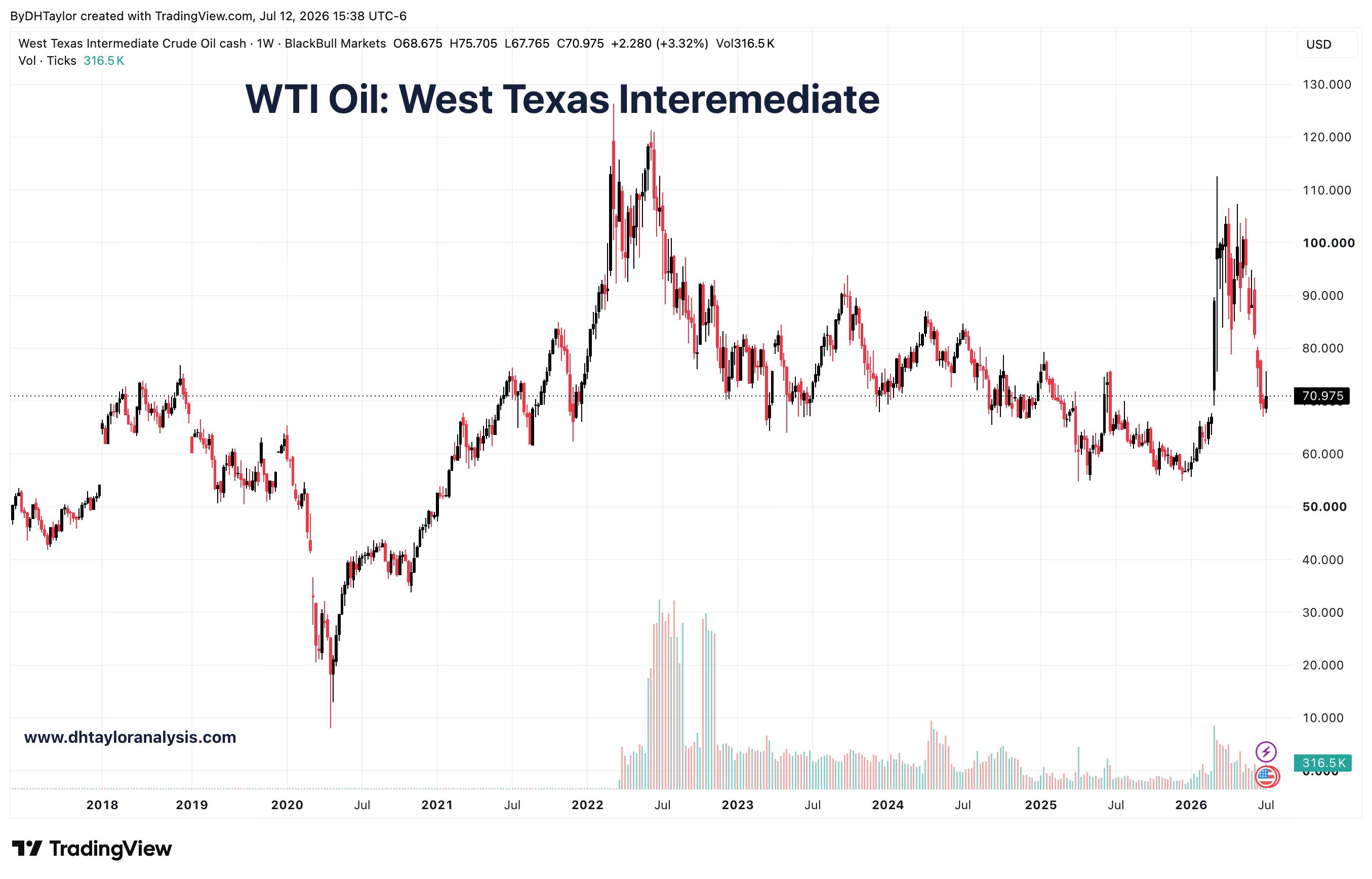
As of the time of my writing this, even more attacks are occurring between the United States, and then Iran versus Gulf States. The stock market has fallen in early trading, and oil is up. The markets will assess what happens next.
I had never really believed that the deal between the United States and Iran would be lasting. My expectation is that this goes on for many, many more months. With that, oil reserves will continue to depleted, and eventually, there will be serious economic issues.
Earnings Season Launches
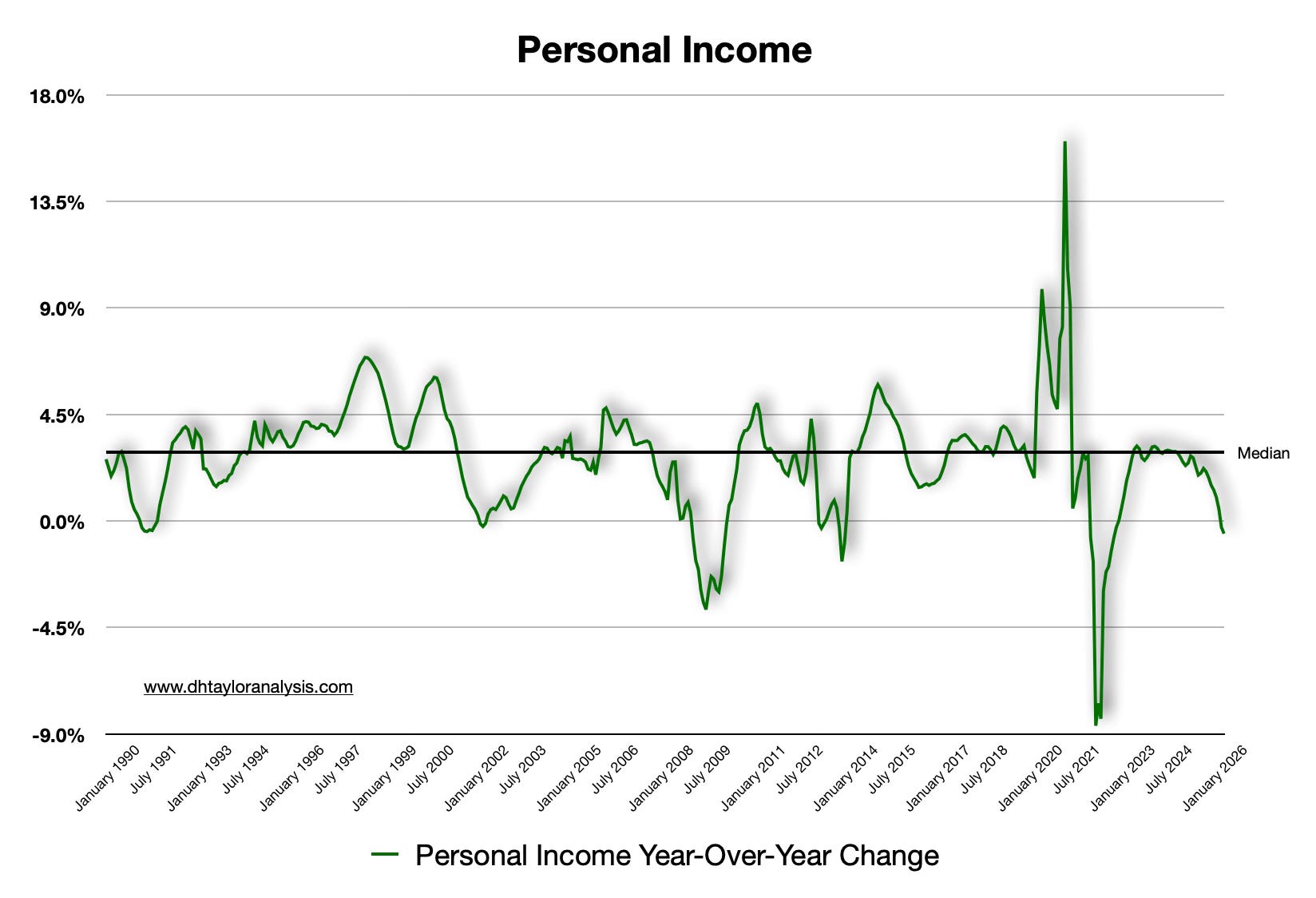
This week, major banks are some of the first to report earnings through June—look for JPMorgan first, then Bank of America and Wells Fargo. The markets will be assessing the health of the consumer, and it may be that the first real signs of poor economic health are showing up in the financial reports for stocks.
AI Stocks To Watch
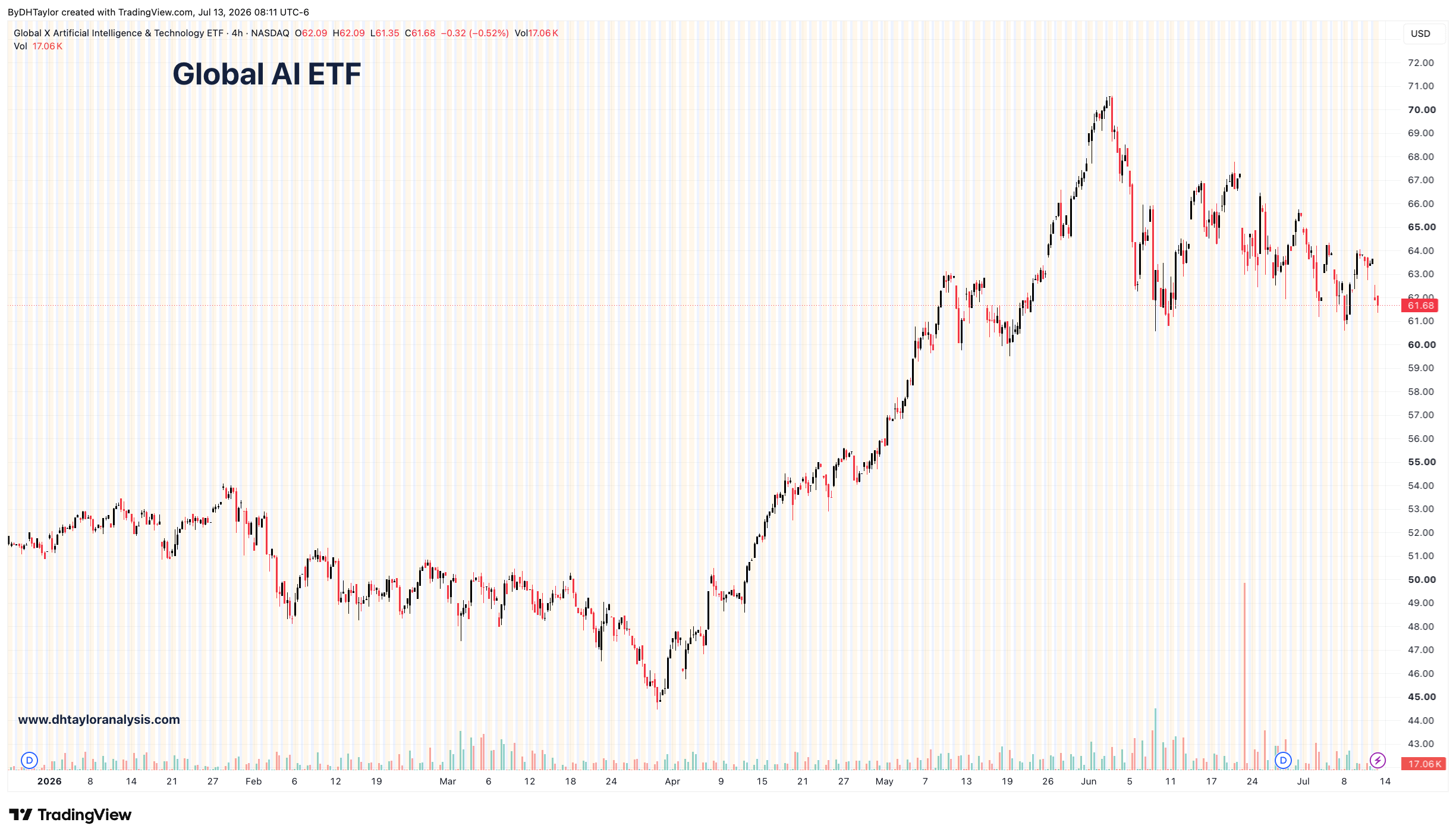
Beyond banks, ASML & TSMC are both reporting, and if there are any signs that these companies are not performing well, this could tip the scales on the AI trade:
ASML - Is the semiconductor industry still committing capital years in advance?
TSMC - Is the current demand pushing for more CapEx in the future?
The two above are key stocks to watch as to what is next with the AI trade. Broadcom has shown that even stellar earnings are not enough, as the selling in the beginning of June showed.
I will be closely watching these stocks along with every other market participant, and readying bigger positions if it appears the top is in place for the AI trade.

My Take
I remain short the stock market on a longer-term basis, and those trades are working out despite the stock market trending upward lately. I am also effectively long yields and expect inflation to continue and the Federal Reserve to shift. I do not believe there will be any end to the turmoil in the Middle East, and that is going to play out in the markets. Ultimately, I see interest rates moving higher, and the stock market moving lower as my bigger picture.
Treasury Yields
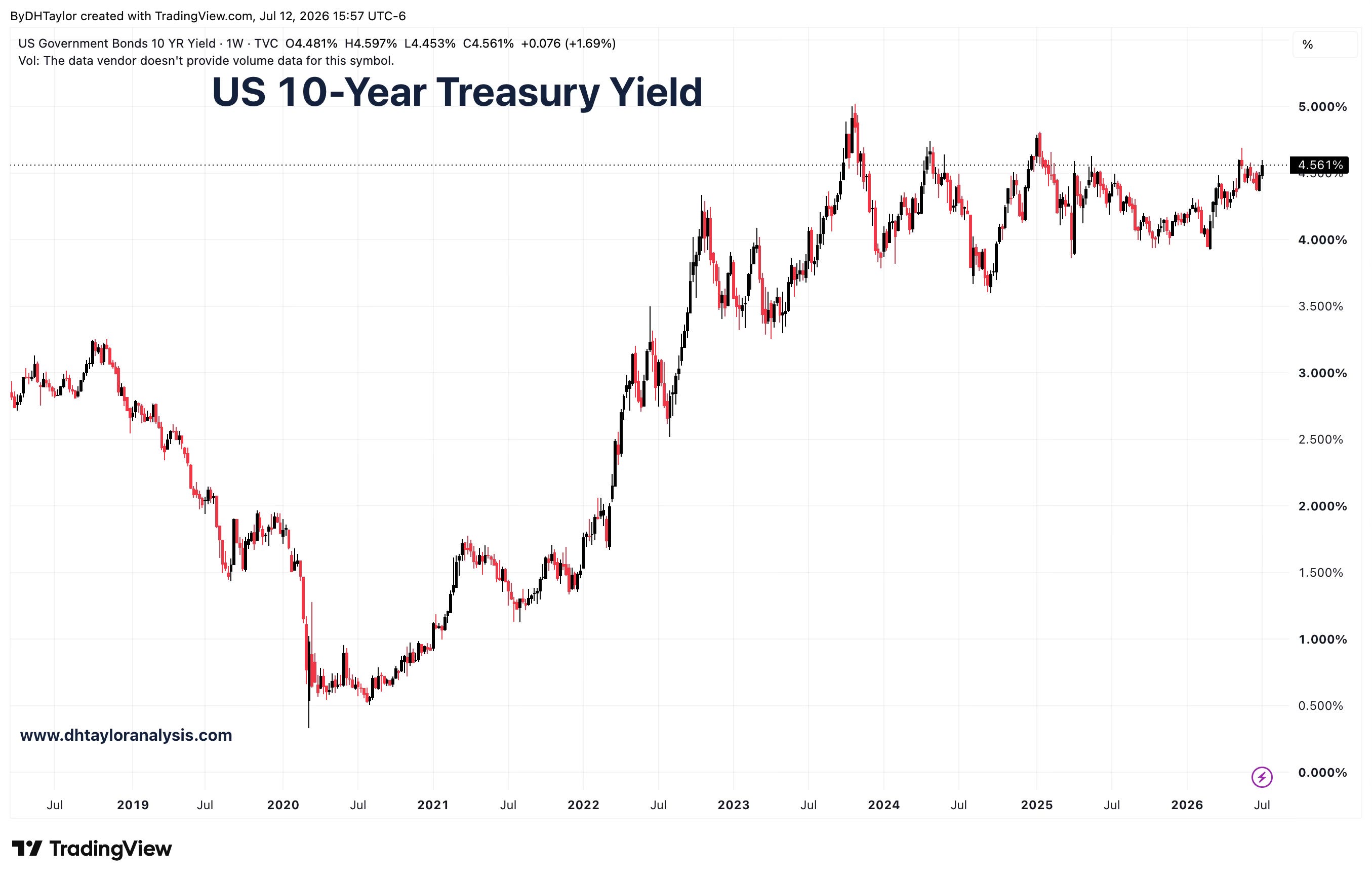
Inflation is here, and there is more on the way. Above is the 10-year Treasury yield, and as a guide, this is what I have been measuring the next few months’ activity on. I believe that inflation is not going away any time soon, and from this, we will see TLT ETF selling off. I have short positions on TLT and have been sitting on them for some time, managing the overall position via selling call spreads out-of-the-money in order to bring in premium, then add additional size to the overall position. I have built up a sizable position targeting under $80 on TLT ETF. If the US 10 heads above 4.75% and closes in on 5.00%, I will likely hit my target level, then exit.
Equity Markets
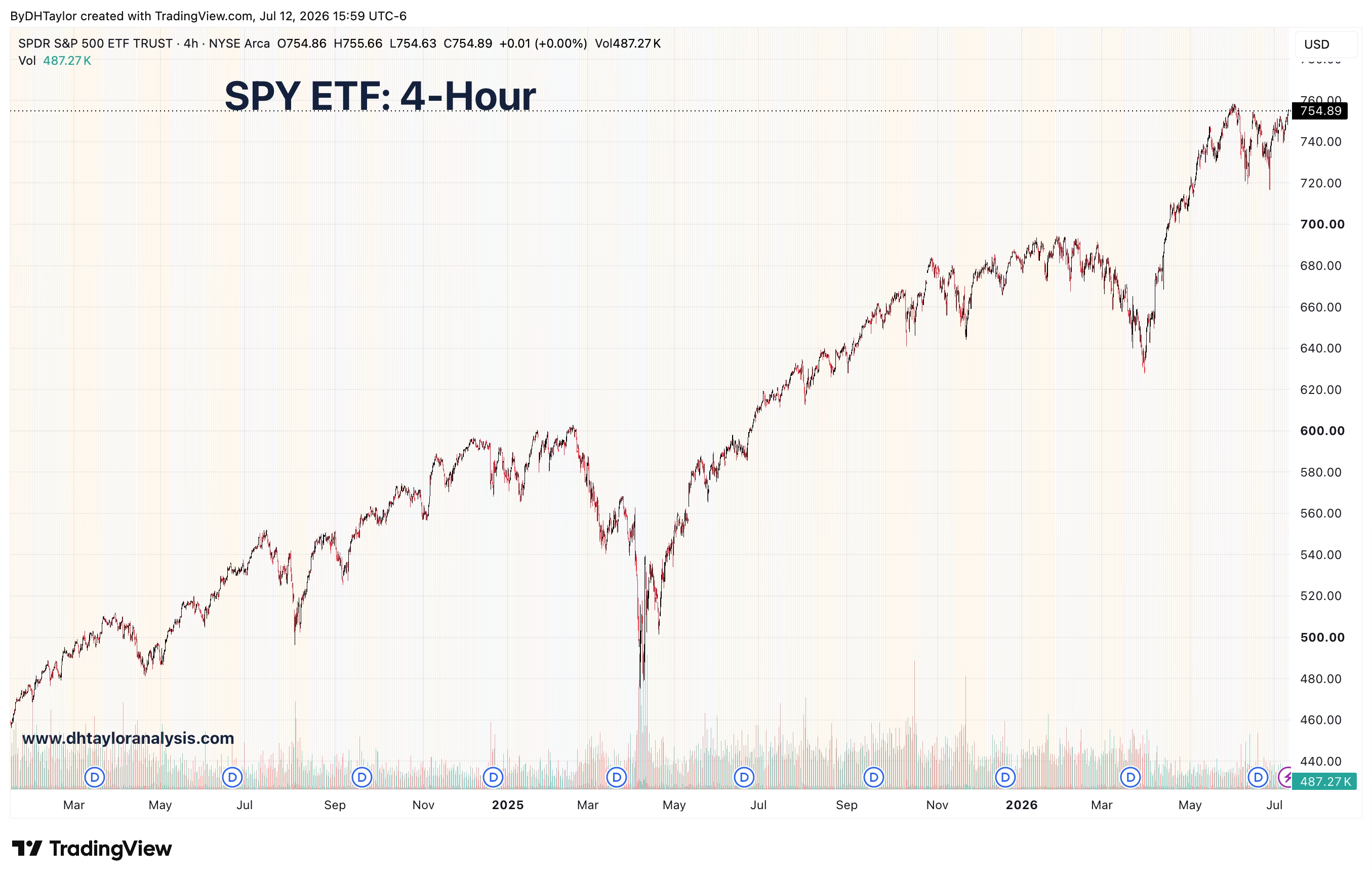
I have been building up short positions on SPY ETF over the past few months with my basic strategy being to sell call spreads and let them expire worthless in short-term positions, then using the funds to buy longer-dated spreads out-of-the-money targeting a larger move downward in the stock market.