

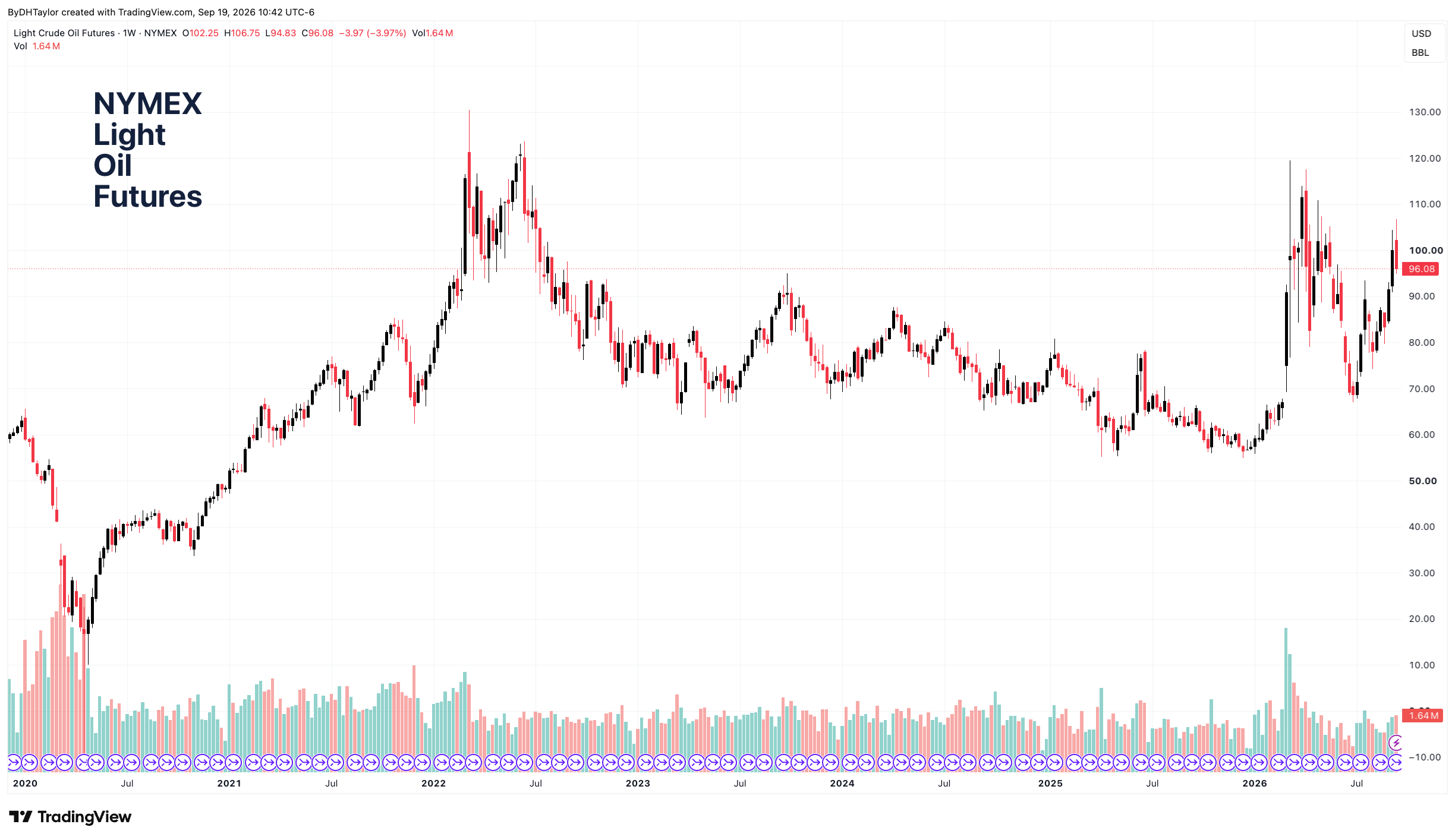
Oil prices continue to be pressured higher from continuous turmoil in the Middle East—a new attack on Riyadh by Houthi rebels occurred as I write this. How much longer could the conflict continue, how much higher will oil prices rise, and what is the best way to capitalize on future price movements:
A deal is being put into place to reopen the Strait of Hormuz for normalized shipping; not all Gulf-state countries are on board with the current framework
Continued attacks within the region threaten any, if not all, deals, and while typing this, another attack has just occurred
China has begun resupplying its reserves, which along with continued friction is adding to upward price pressures
So what?
The eventual return to normal will occur; albeit, there continues to be conflict
Over a longer period, oil flow, supply & reserve levels, and prices will normalize, and companies receiving a premium profit will see declines in their stock prices
This all gets far worse before it gets any better. Iran will handily win this and be in the best situation to negotiate anything.

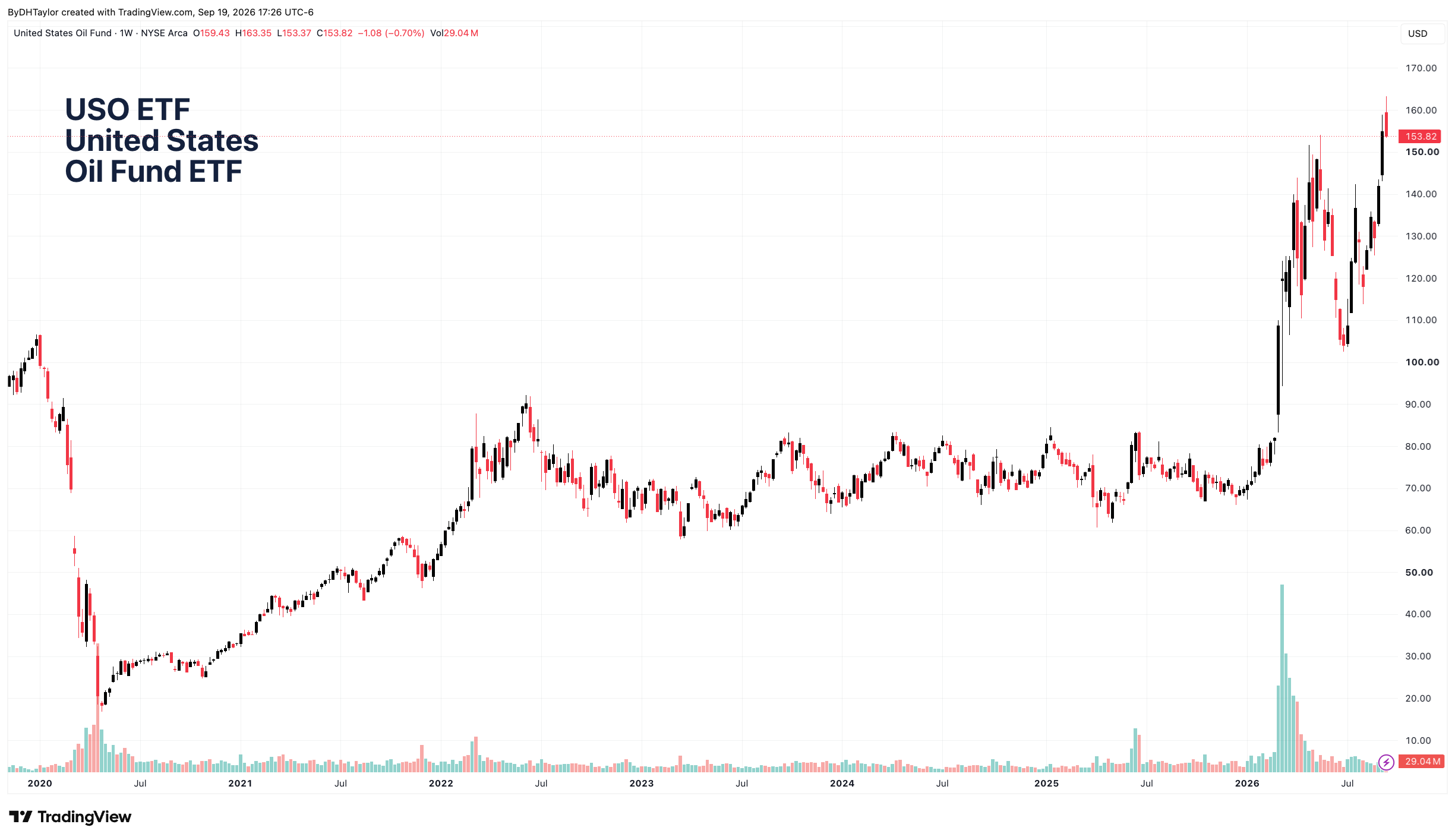
Over the weekend, the Houthis hit Saudi Arabia, and the United States appears to be gearing up to protect its partner. On the one hand, I can see continued upward price pressures. On the other hand, I am gearing up for an actual end to this all and am eyeing up put options on many oil products.
The chart above is the USO ETF, and this is the easiest method for an investor to add oil and oil products to their portfolios.
Eventually, this will all die down. In the meantime, Iran is holding nearly all of the cards, and although the United States has inflicted significant damage to military installations, Iran has countered with an in-kind response and done the same.
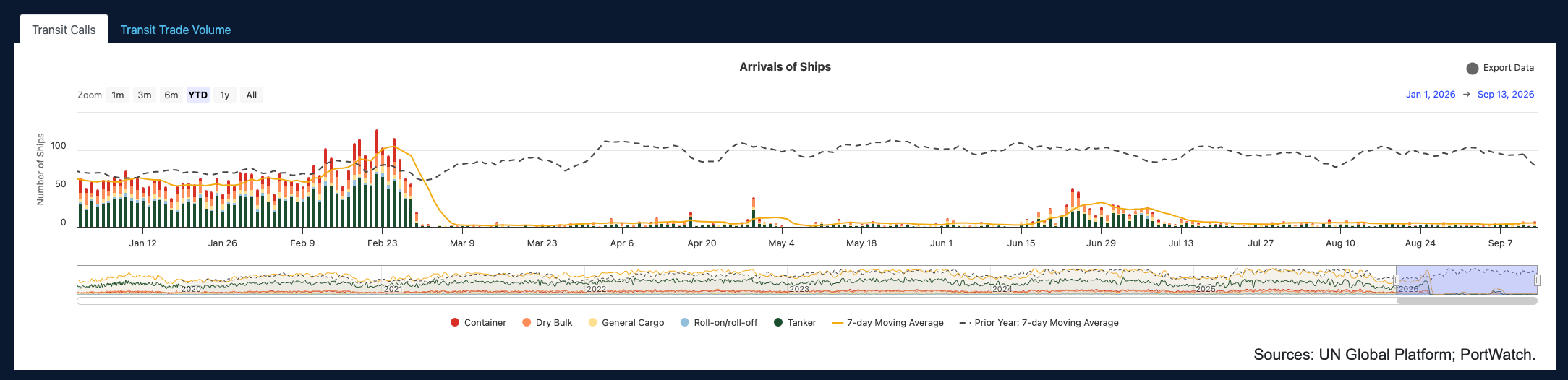
I found this interesting chart on the IMF PortWatch site showing the flows, or the lack thereof, through the Strait of Hormuz. At this point, the Strait of Hormuz is shut down and no flows are moving through that crucial sea passage. On top of that, now the Red Sea ports and islands in Yemen have been seized by the Houthi rebels, and passage for Saudi Arabian ships is questionable. My belief is that this was always in the cards, and Iran is playing those cards.
From a numbers standpoint, the East West pipeline for Saudi Arabia can send ~5M barrels a day to the eastern portion of Saudi Arabia. While that is possible, the numbers are not hitting 100% of this, and oil movements are falling short.
The approximate shipments through the Strait of Hormuz prior to the crisis was ~20M barrels per day of oil or products such as LNG. While some products have moved through the Strait, as the PortWatch numbers show, it falls far short of previous levels.
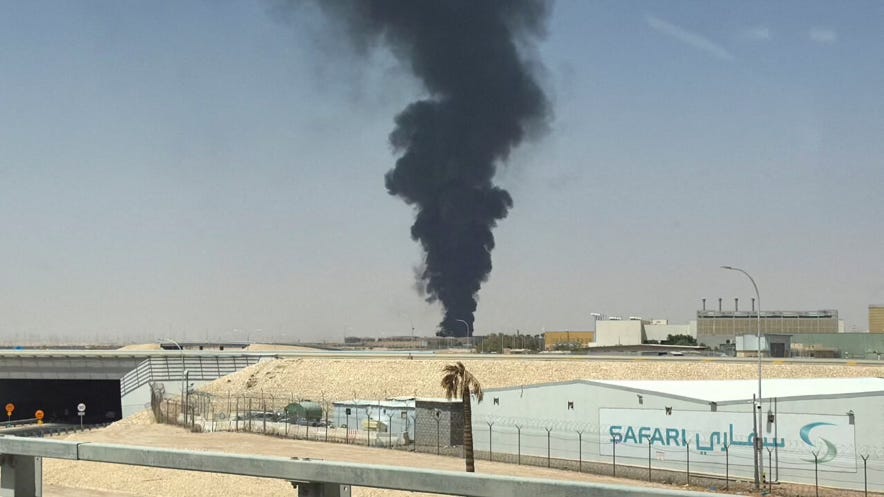
As mentioned, Houthi rebels have attacked Saudi Arabia with a single shot to a jet fuel storage tanker and destroyed that. The Yemeni government had been backed substantially by Saudi Arabia, and Houthi rebels are loathe to stop their aggression towards the Saudis.
My thinking is that Iran wants a deal where all shipping flows through the Strait of Hormuz, and Iran charges a toll. I expect that Houthi rebels will be well equipped to ensure that all shipping will be forced through the Strait of Hormuz, but for a fee to Iran.
The Suez Canal could be used as a method of shipping oil out of the region for Saudi Arabia. However, only about 2.5M barrels are reportedly being pushed through the canal. First, the canal is small and the mega-ships cannot move through the canal easily, and therefore this is not the most optimal option. That being said, if Saudi Arabia begins to rely upon the Suez Canal, it may be very possible for both Iran or the Houthis to put a stop to that as a route and ensure that all oil goes through the Strait of Hormuz.
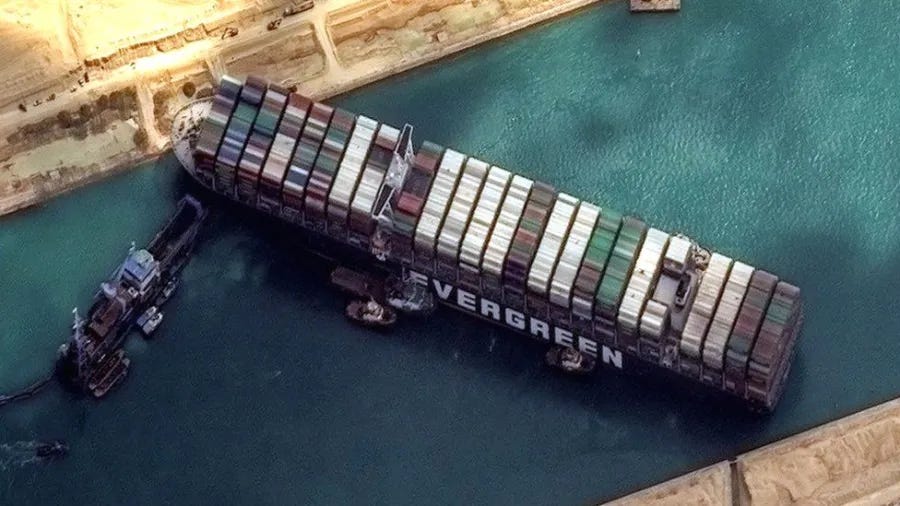
Remember this? All the way back in 2021, an Evergreen container ship became lodged in the Suez Canal and this blocked the canal for many months.
I imagine that Iran looked at that and began dreaming of new ways to limit its enemies capabilities to move oil, and attacking any cargo ship in the canal may be a simple thing for Iran to pull off.
The gaol would be to ensure the ll of Saudi Arabia’s oil moves through the Strait of Hormuz, and because of that, put a boot on the necks of the Saudis.

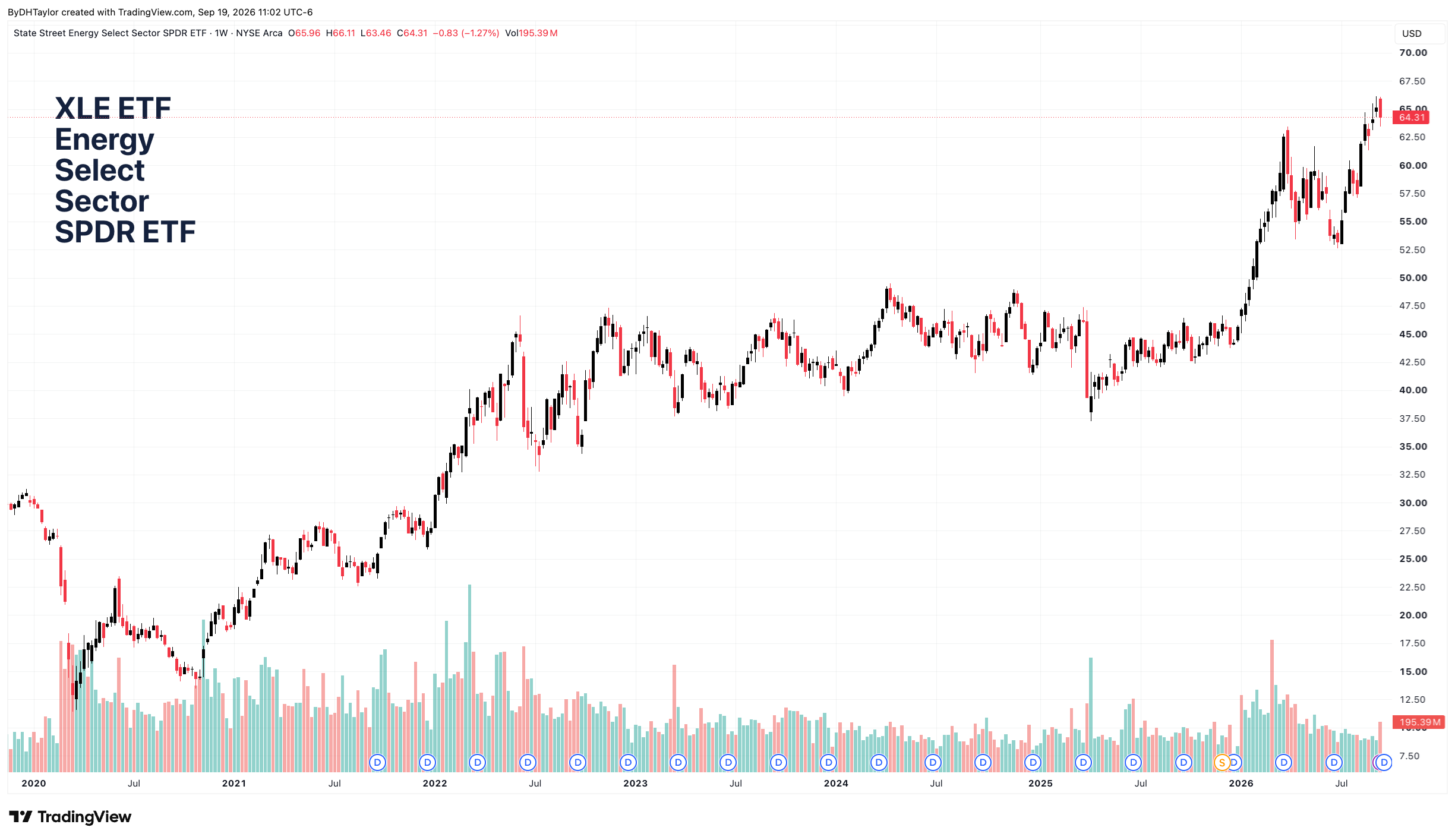
Eventually, this goes away. When? A deal is perpetually being worked on, but realistically, neither Saudi Arabia nor the United States will want to say yes to any deal that puts Iran in a position of strength. And yet, Iran holds nearly every card in this, except they are limited in military capabilities.
In the meantime, I am eyeing up put options on oil products such as USO ETF, or maybe even XLE ETF in that either of these will lose their premium.
The crack spread for oil is the price of a barrel of oil less what is earned after refining for both diesel and gasoline. Previously, the crack spread was $15.00 per barrel. Now? The spread has jumped to about $70.00 per barrel for US-based companies. The reason is that price has skyrocketed, of course, but costs for US-based companies have not changed at all—this is pure profit, actually.
If the world’s oil manufacturing returns to normal, that crack spread will narrow back to normalized premiums. World oil companies will begin selling into the futures markets once they are certain on deliverables and time. This will drive prices back down, perhaps getting WTI below the $80.00 level from the now-current $100.00—I plan on capturing at least a small piece of that price movement.
The flip side to this is that The United States targets Houthi rebels for their attack on Saudi Arabia, who are supported by Iran. That could force Iran’s hand and they would respond with additional attacks. Iran had just attacked ships out in the Strait as recent as September 9th, hitting and disabling two ships.
There’s simply zero political willpower to continue this, and some deal needs to be concluded. While neither side is willing to concede anything to the other, neither side is technically winning, either.
My thinking is that this ends sooner, rather than later, and I am readying for the eventual move back downwards in the price of oil and oil products.
