

Oil prices rocketed up on Friday, and additional headlines are causing people to be nervous—this may be the first clear sign of the collapse of the old world order:
The Saudi East-West pipeline was attacked, damaged, and taken offline
Iranian-backed Houthi rebels have seized a key island in the Red Sea route that could take oil delivery routes offline
So what?
The fall of Southern Yemen may be the first clear sign of the unravelling old world order; it can only get worse from here
The Bigger Picture?
AI Companies are slowing their pace of development which may rattle the AI trade as investors take profits and move to a wait-and-see approach

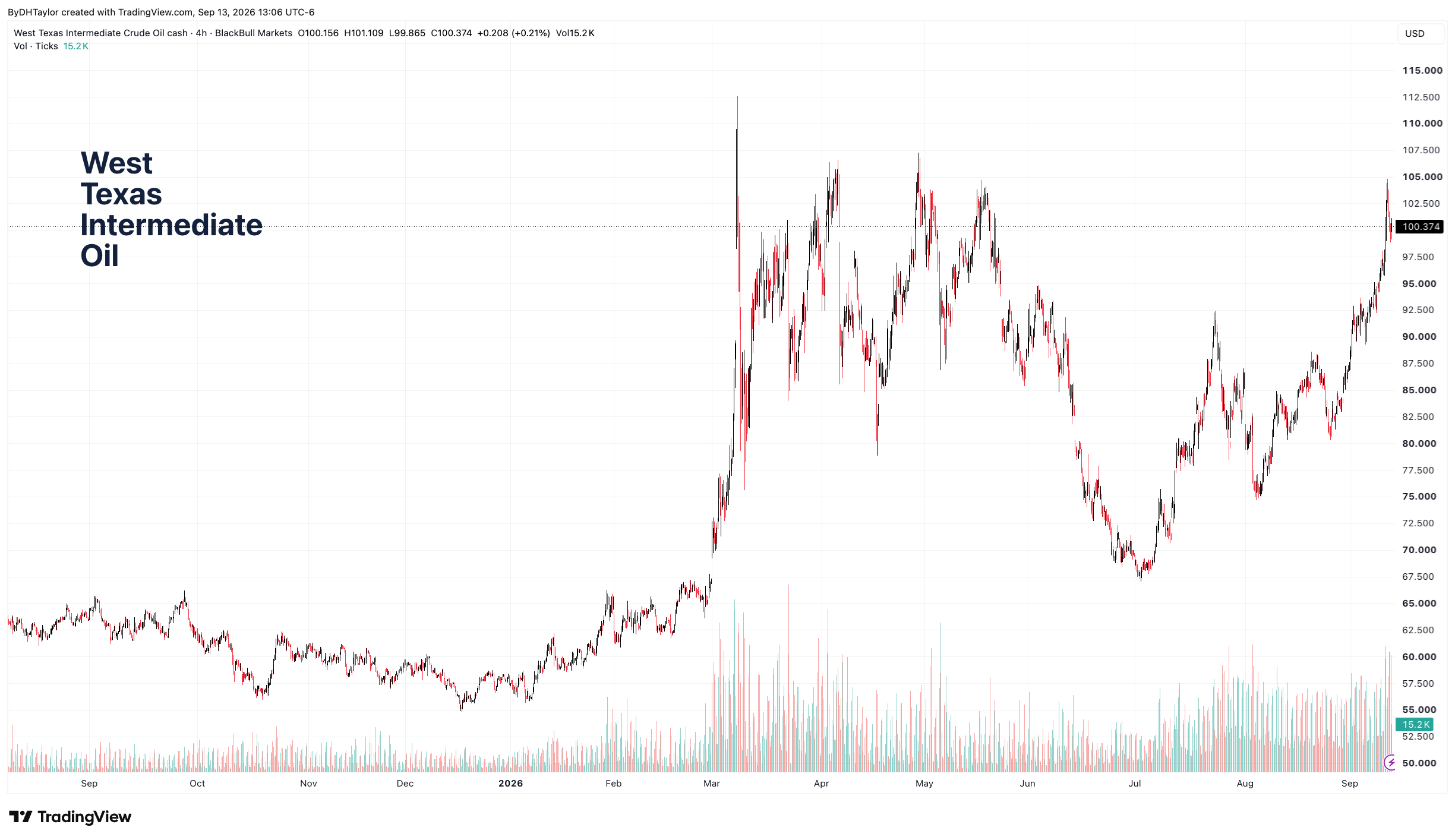
The Middle East is beginning to collapse with the fall of the Saudi Arabian southern-backed Yemen government troops by Houthi rebels. Those rebels, supported by Iran, now have a chokehold on the Red Sea outlet for Saudi Arabian oil. Saudi Arabia called Trump and asked for help; he said no. The monarchs may repay that favor; and that could be the beginning of the end of the old world order.
This may be the beginning of the end…
The old world order was that the Middle Eastern monarchs would be protected by the United States in exchange for military support, and the use of US dollars for petroleum. Those dollars would be recycled back to the United States for purchases of US Treasuries to support the debt burdens of the US.
In early Monday Asian trade, oil is up 2.50% to $102.50 for WTI (CL1!).
Although I will agree that there are increased risks, I am leery to declare that oil prices will simply shoot through the moon throughout this week. Instead, I expect this to play out in a long, slow process.
First, there are other routes that key players can utilize to get oil out into the open seas and get to market, turning what oil is available into deliverable oil, not to mention many other global suppliers.
Another key fact is that the drone attack that hit the East-West pipeline actually came from inside Iraq and therefore likely from Iran-backed rebels versus Iran itself. I am certain Iran is smiling, of course, and likely to re-supply these rebels with another drone, if not more, since they’ve proven their effectiveness.
As for China, this is a key player that you would need to consider all elements when considering the future price of oil. China has presumably decreased its purchases of oil from the open market. The country is sitting on 1B barrels of oil reserves. I seriously doubt that China has significantly deteriorated its reserves during this time, but instead have continued purchases threw off-book acquisitions. Russian would be a very willing seller of oil even at discounted prices.
So, no, I do not necessarily believe that oil prices are going to go to the moon. Instead, I think cooler heads will prevail. For now.
In the meantime, what to do about all of this?

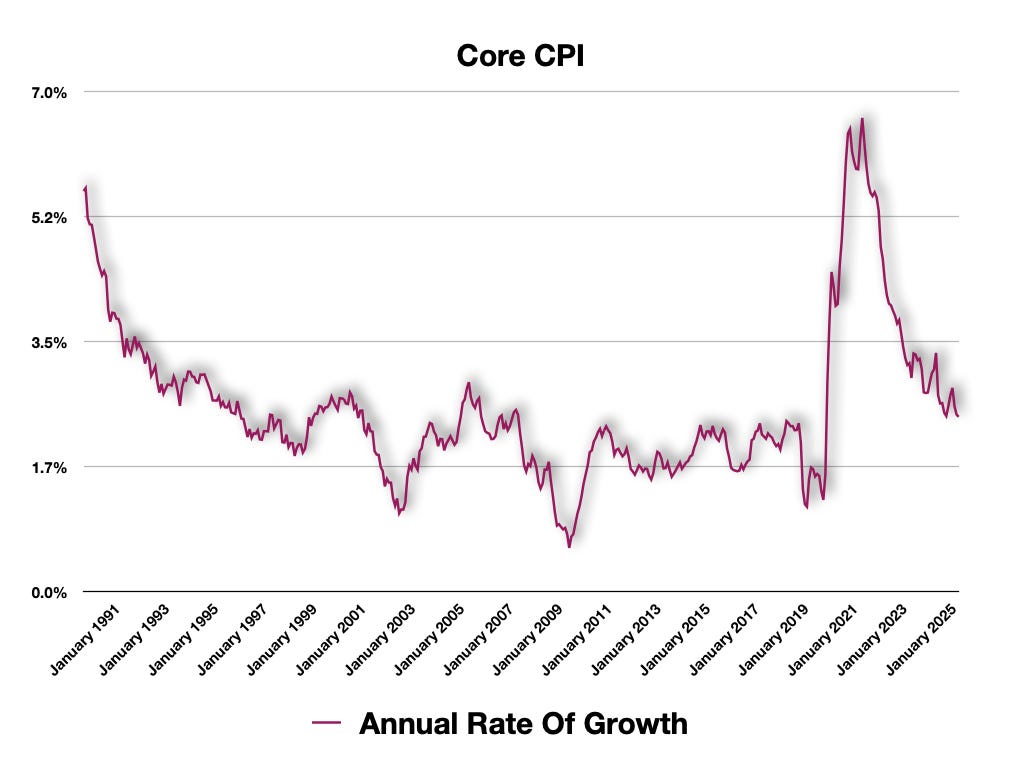
Last week, the BLS reported inflation, and the core rate came in mostly as expected. The rate is drifting back downwards but still firmly above the 2.00% target rate for the Federal Reserve. (Chart above).
I have done a great deal of analysis on inflation over the past couple of years—it is one of the most key aspects of our economy. Nearly all inflation is a purely monetary event; except when it is not. Supply shocks have nothing to do with monetary policy, but monetary policy can address supply shocks. In the case of the most recent rise in core inflation, the genesis of the spike was the massive expansion of monetary policy to stave off a collapse of the economy during the onset of the COVID shutdowns. Since, the Federal Reserve has brought monetary policy back into a trend line pace, but the growth of prices had not comfortably dropped to the target rates… and yet, the Fed began lowering interest rates.
Tariffs were imposed creating a self-inflicted price shock to the United States. Core prices moved higher as time progressed.
Over stretched Americans are going to get racked even further as now the economy will have to deal with the potential of a supply shock in oil prices on top of said tariffs.

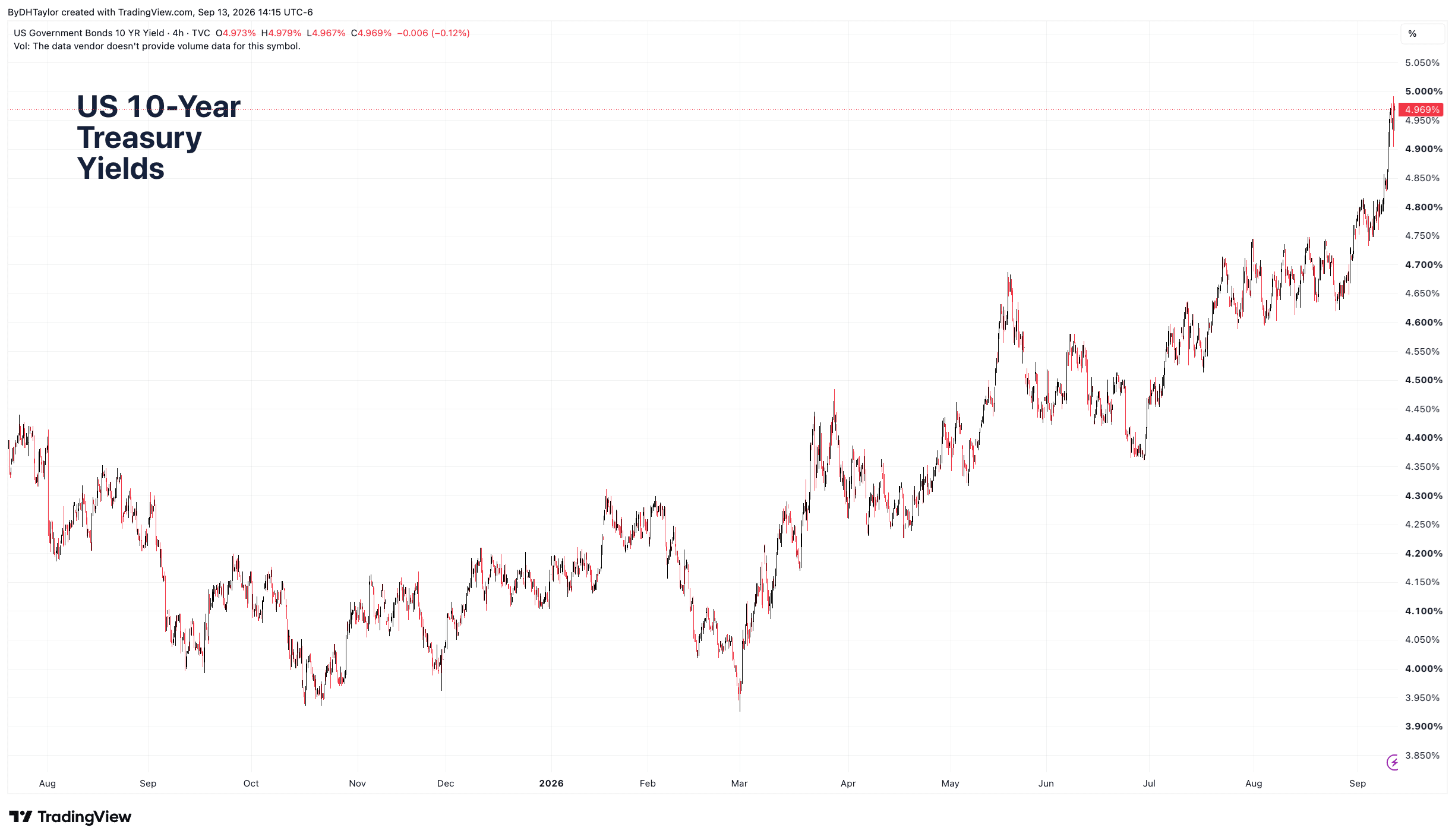
On Friday, with all of the noise out of the Middle East and many other factors affecting interest rates in the United States and throughout the world, the US 10-Year Treasury yield hit a high of 4.99%. I could easily see the 5-handle being cleared after the weekend’s events, and my short bond positions are looking solid.
Many factors are affecting bond yields such as inflation itself, the massive level of AI company debt being issued, Japan’s own debt hitting highs not seen in 40 years—and the effects of the Bank of Japan limiting purchases of government debt, the $40T debt levels of the United States, tariffs, and now the potential supply shocks in oil, which will push inflation up even further.
The long end of the yield curve may become a handy tool for the Federal Reserve’s fight in inflation. The Fed is widely expected to raise interest rates during this week’s Fed meeting, but I do not see a lot of tightening beyond this… for now.
Supply shocks themselves along with the price increases from the shocks may deter fuel usage and economic activity, which could curtail price increases on their own.
The long end of the curve heading higher will almost certainly have some ebbing effect on economic activity as all interest rates are so heavily linked to the 10-year Treasury interest rate.
For now, I fully expect the 10-year Treasury yield to rise even more over the next few days / weeks / months, etc. Until the conflict in the Middle East is eased and oil flows unobstructed, and tariffs are removed permanently, and AI companies limit their insatiable appetite for debt—that may begin this week, actually—and, until the Japanese interest rates level out, there will be selling in the bond markets, which will push interest rates higher.
That is a lot of ifs, and I am not certain all will occur at the same time, rapidly. That is also why I believe that interest rates will continue to be pressured upwards.

If there is a continued spike higher in oil prices, the classic economy will be affected significantly as fuel prices take a bigger and bigger bite out of disposable incomes. At the very least, travel & leisure activity will be curtailed by the marginal individuals, food prices and online shipping costs will increase as fuel for trucks to carry items across the country go higher, and other costs increase along with inflation.
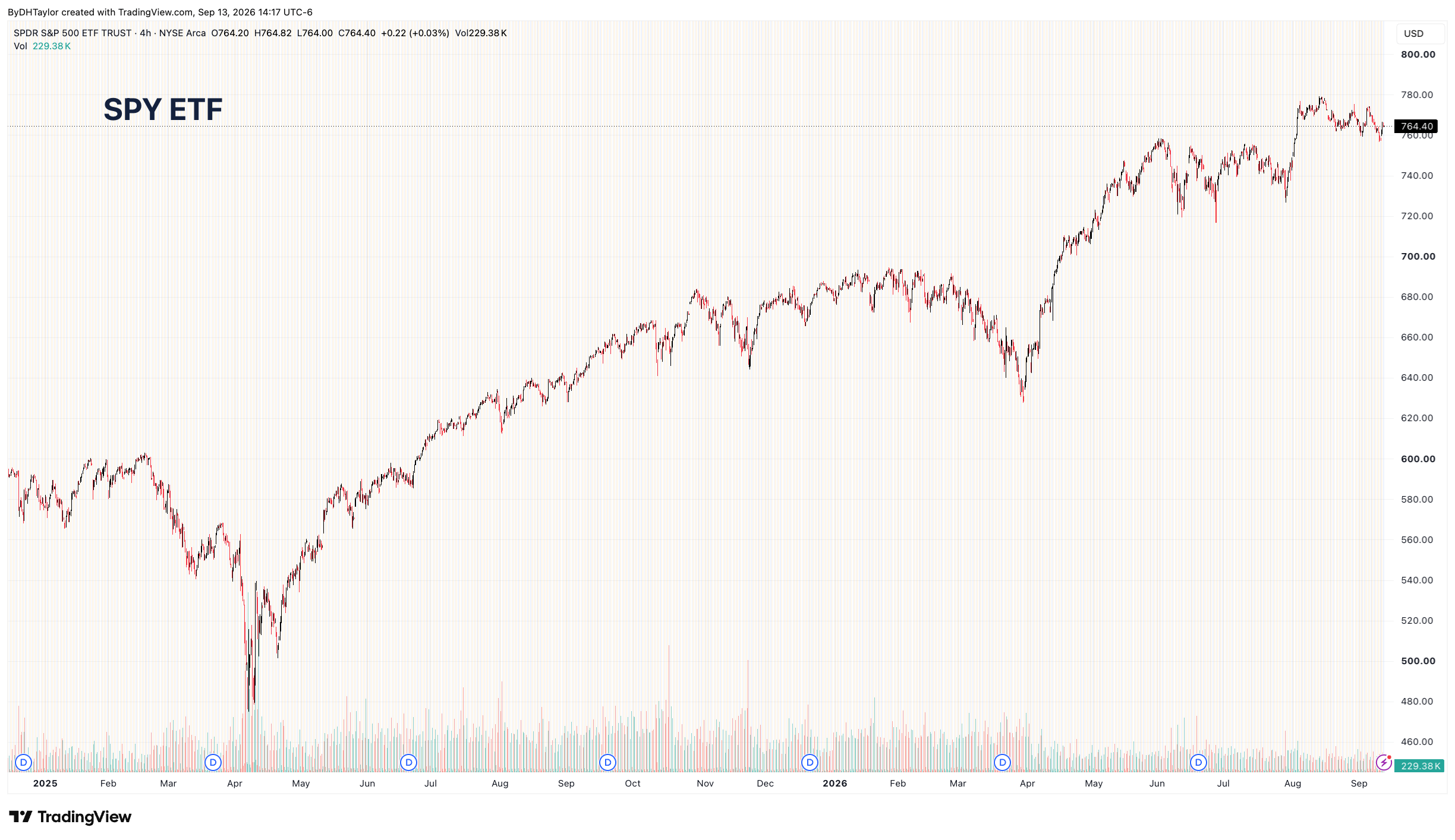
I am expecting to see some selling in the stock market through the week because of these concerns… which should have already occurred: The only reason that stocks have not capitulated into a death spiral is the potential of all of the AI profits in the very near future!
The AI Trade
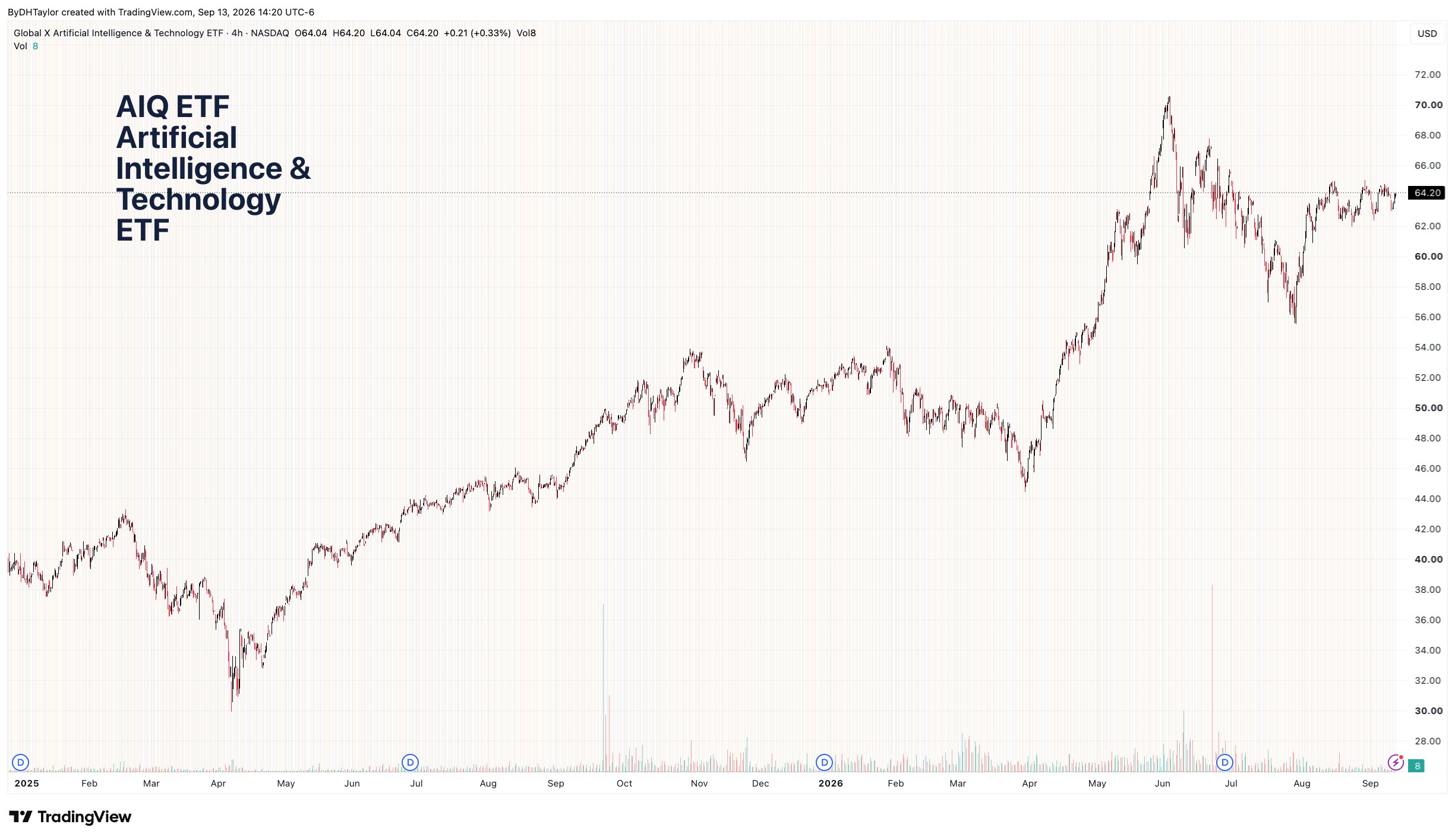
And then there is the “Oh, $$$hit” moment all of the AI-bros are having simultaneously. Seems every single major player in the AI-sphere came out on Friday and throughout the weekend with significant worries about protections and security within the AI-sphere. All are agreeing to simultaneously pause significant advances until safeguards are in place to ensure extremely minor things such as whether or not AI will wipe out the entire human race.
Think that through: All of the megalomaniac / sociopaths are all saying the same thing at the same time, that it is bad and they need to stop. If that caliber of human being is telling you it is that bad, trust me, it is far worse and they are not telling you the real truth.
For now, this pause, instead of the endless drive for supremacy, may be the first clear signal that traders take to clear out some questionable trades, take profits, or even begin taking short positions.
I am likely to take a short position on some AI stocks this week because of this.

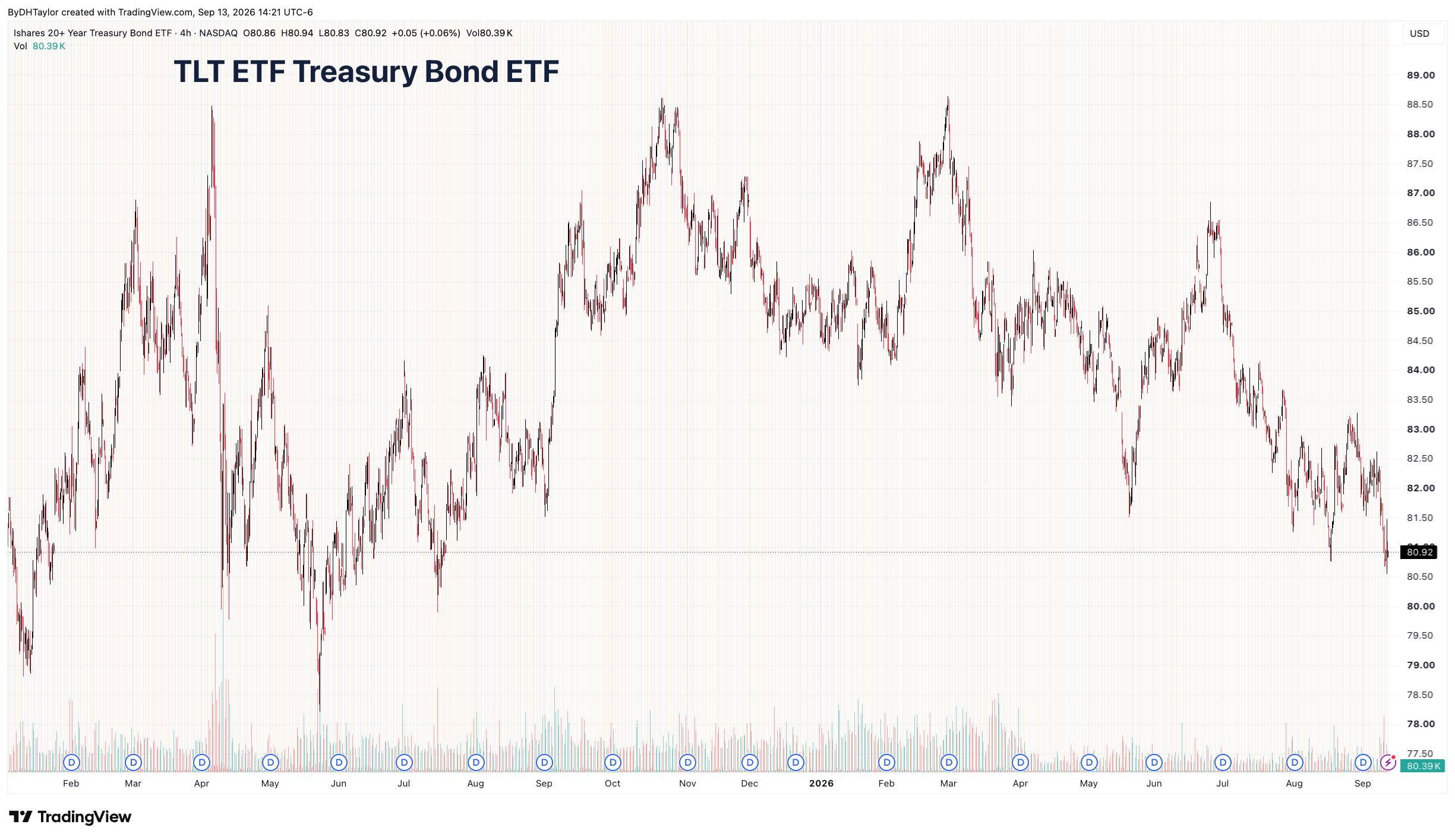
I have key trades still in place where I have been looking for a significant shift upwards in longterm US Treasury debt and am short TLT ETF—I have written about this trade idea endlessly. I fully expect that Treasury yields will head upwards this week, and TLT ETF will sell off further. Lately, I have been considering the latest, longterm low that was printed in 2022 of $72.50 as target, but I am not going to get too greedy. My current target is sub-$80.00-$75.00 range, and likely, that could hit as early as Monday.
Over a much longer period, I am eyeing up the $50-handle as a potential target if the Middle East situation deteriorates further, oil deliverables get cut short, tariffs remain entrenched, and there is any evidence of a waning of international interest in US debt instruments.
While I expect to take profits this week on this leg of the trade, there will be a lot more opportunities in the very near future.
