
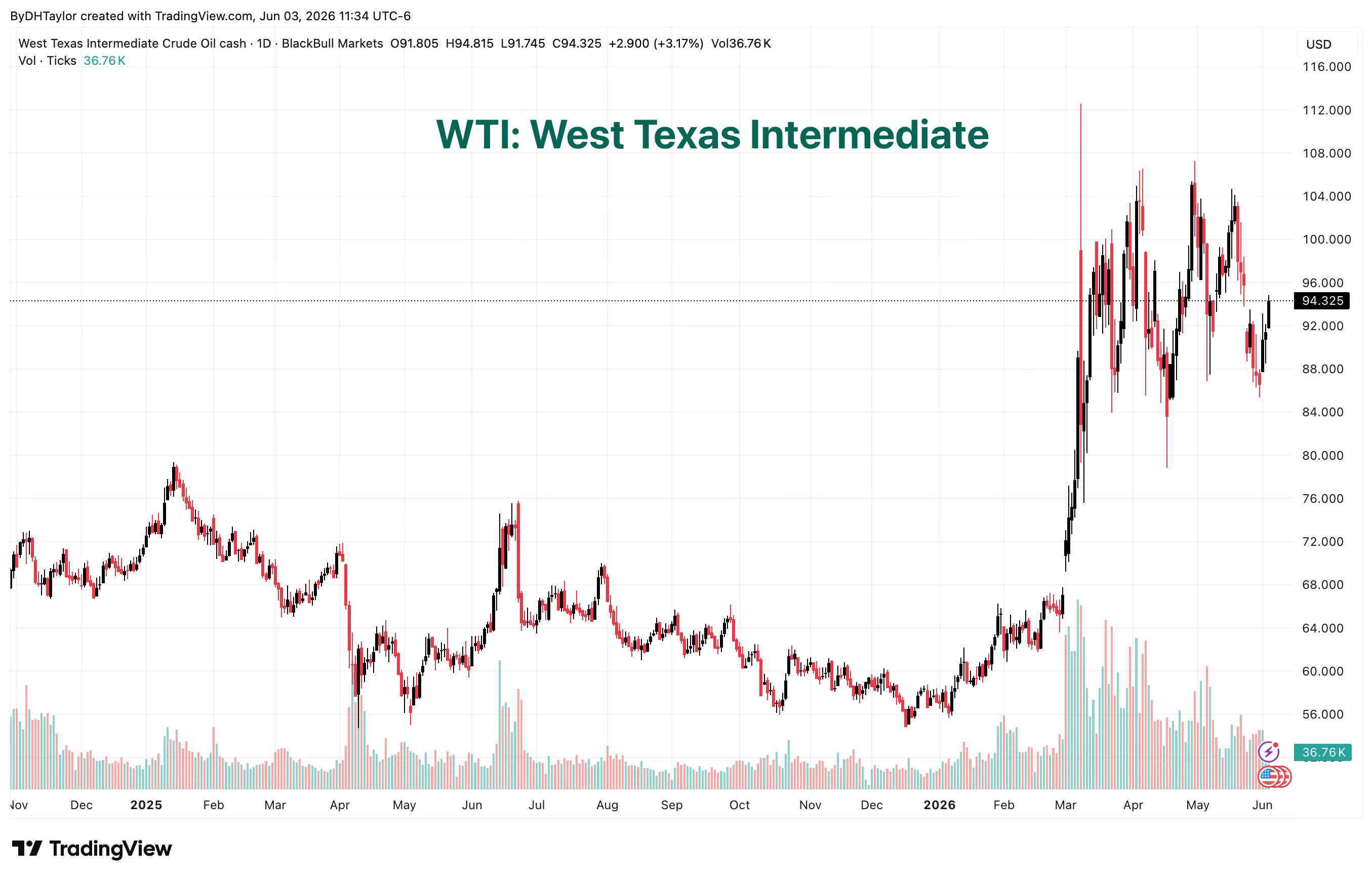
Here is my base-case scenario that I am looking at: There is no deal with Iran, and my basic take is that if his lips are moving, he’s lying. As it turns out, if you read enough news reports from outside of the United States, there is a lot more truth to this than markets are pricing in; This is an important opportunity.
The reality is that the bond market was beginning to melt down again, and this could have caused major shifts in the stock market. Because of this potential, we were told: There is a deal. If that narrative was not pushed excessively, there would have been dire financial consequences.
Bond prices will move higher—yields lower. Oil prices will move back upward. Inflation will continue to increase. I plan on taking advantage of these shifts.
While I believe that there will be a deal at some point, Iran has absolutely zero reason to say yes to anything right now—they are no longer being bombed. That being said, there will be sharp price pressures beginning in one month; the early part of July. Europe is a perfect example in that while they will not run out of oil, oil reserves will begin to thin significantly, and will very likely face serious shortages and acute stress—AI’s words, not mine.
I have been reading a lot of posts about oil and the world supply. There are doomsayers, and there are those stating to relax, all will be well. I pushed a few posts over to AI with instructions to play Devil’s advocate, and to suss out what data I’ve seen in posts could be accurate, and what data could be stretched.
AI’s take is that: “there is more oil in the global system that alarmist narratives admit, but there is far less truly usable, deliverable, and fungible supply cushion than the optimistic interpretation implies”—this is all very reasonable.
The key distinction in this is that there is a big difference between stock versus flow. If there is a continued flow disruption, then demand that cannot shift quick enough would begin to bid up price as competing interests fight for scarce resources.
My take, then? Iran will fold their arms and wait as long as they can, then push for far more than would be reasonable. The bond market, then, will become weary again. This time, however, no amount of negotiations and talks thereof will assuage the Treasury markets, and then there is a loud pop in the markets. Every day that goes by as there is still no progress in the Strait, oil prices will shift back upwards, and bond yields will follow.
The bigger picture is, however, an economic backdrop that is faltering rapidly.
Economic Context
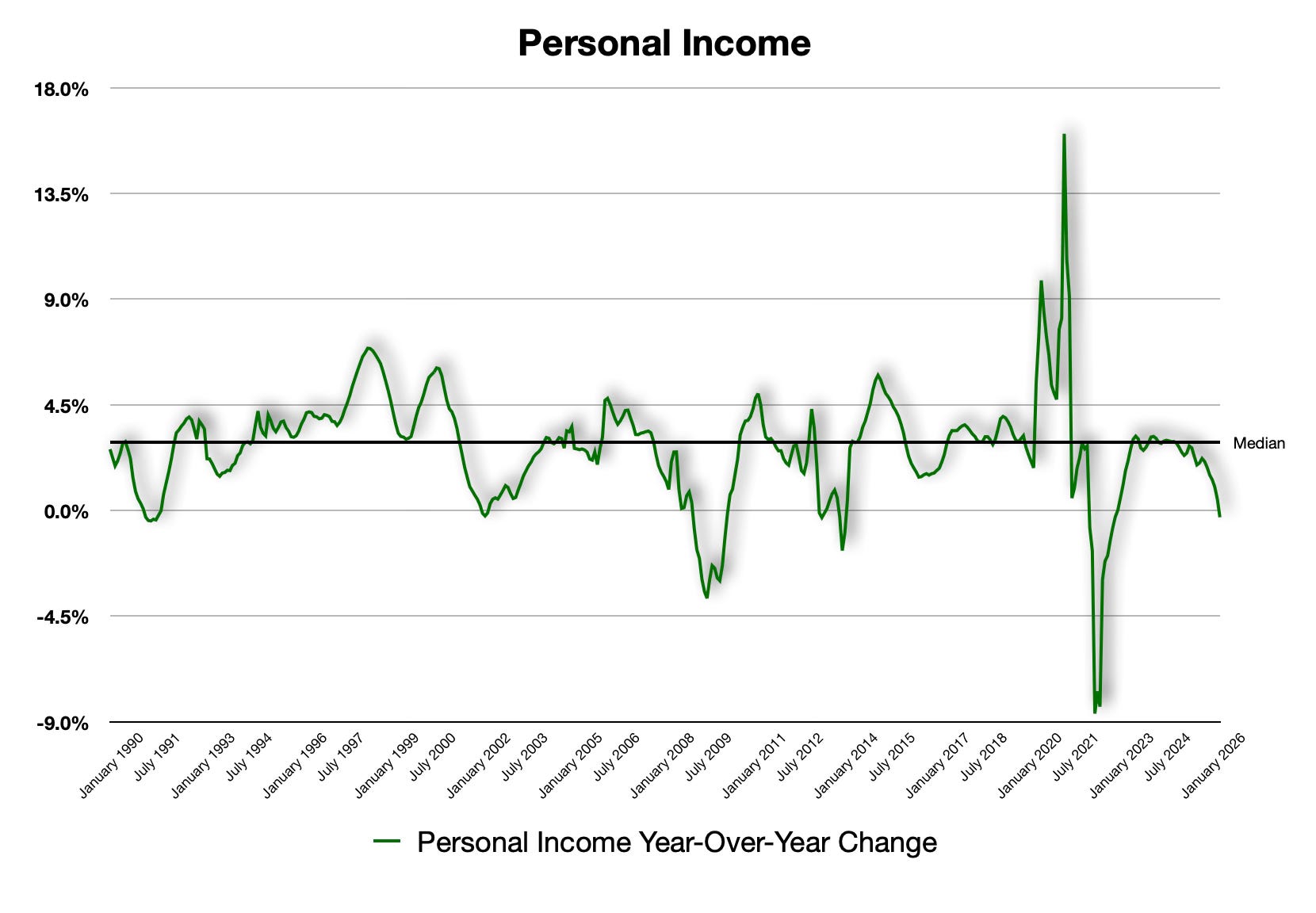
Last week, the BEA.gov pushed out what is to me one of the most important charts for determining the next moves in the economy and stock market. Above, you can see a sharp retreat in the year-over-year rate of growth in Personal Incomes. The year-over-year growth rate, on an inflation-adjusted basis, hit 0.000%—income levels are the same as they were last year this time.
Personal Income growth is highly correlated to personal expenditures.
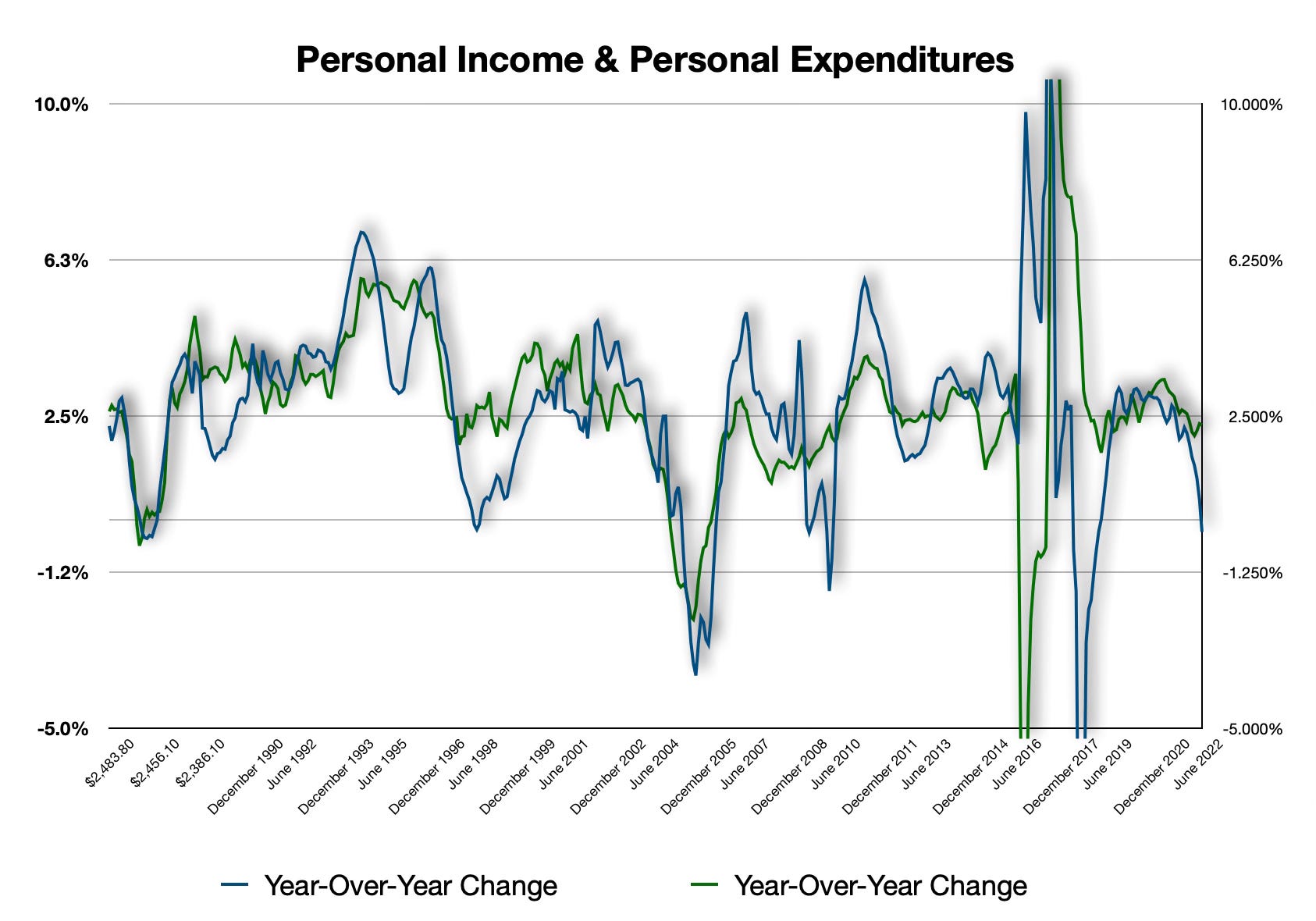
More likely than not, expenditures will find a way lower. This, unfortunately, is a big problem for two major reasons. First, the inflation rate is sitting solidly above the 3.30% (chart below), so if the pace of growth in expenditures slows, yet prices have moved higher, the math gets tough to explain.
The other big issue is that those expenditures directly turn into revenues for businesses. Businesses are beholden to a stock market that insists on increasingly higher revenue growth, the math gets more difficult if incomes remain flat.
For now, the expenditure rate remain sub-median despite the sudden drop to zero growth in incomes.
And inflation?
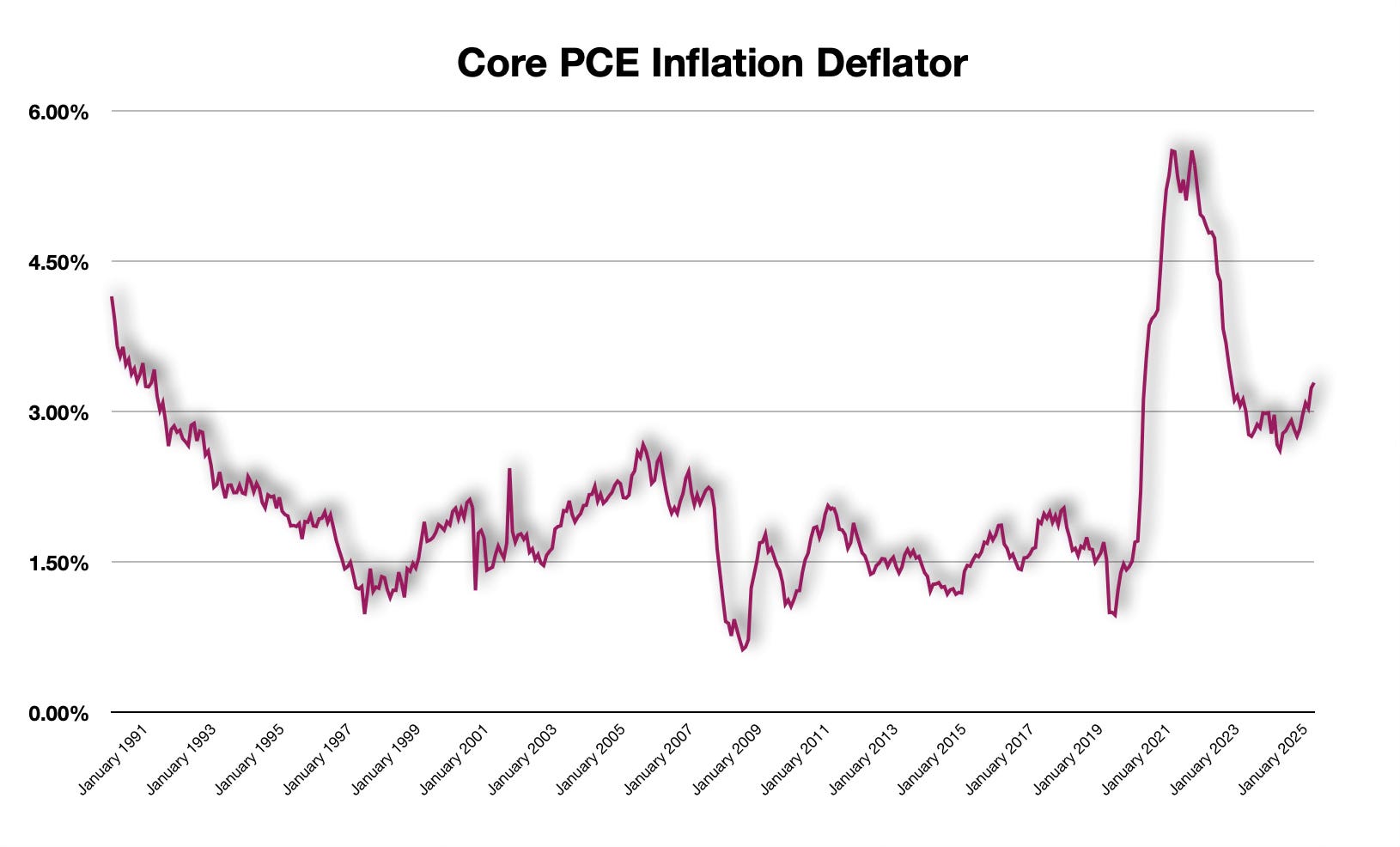
With the Core PCE pushing right back upward above the 3.30% annual growth rate, we are quickly seeing economic income growth flatten during a period of increasing price pressures: the definition of stagflation. Oh… did you happen to notice the GDP rate was revised downward last quarter to 1.6% from the originally published 2.00% level? Growth is slowing, yet price pressures are increasing in an environment where employment gains are faltering along with the benefits of having that job.
Bond Market
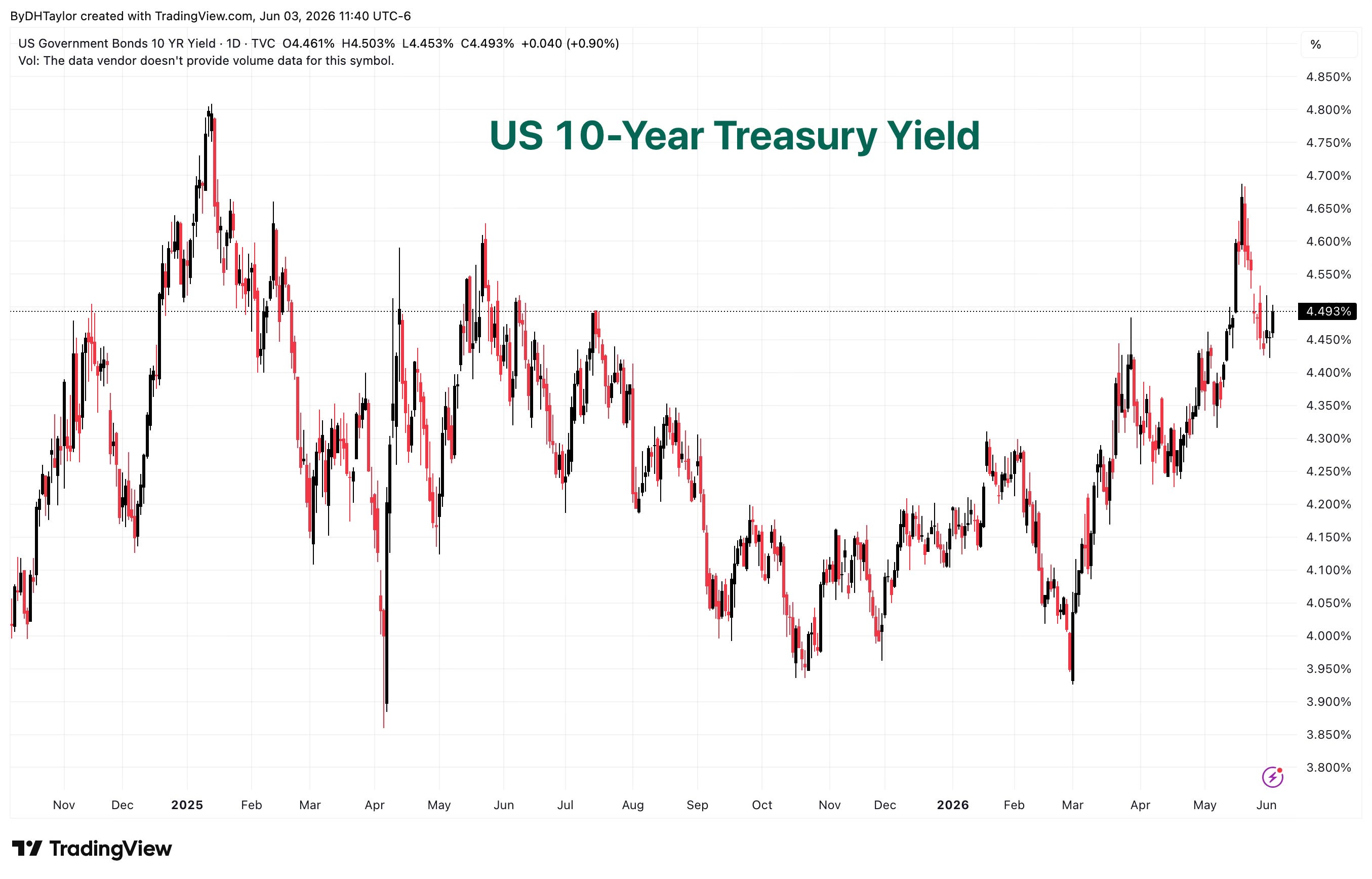
Anyone that thinks bond market traders are slow will get a fast learning lesson. While there was a big shift back downward in bond yields, I think this is temporary at best. I believe the 10 year will trade solidly between 4.75% - 5.00%, but this regime is not likely to see a +5.00% yield yet. This is given current information, and that could very quickly shift with any one new news piece.
Nonetheless, the Federal Reserve is likely to have to push yields higher given the current PCE price pressures… unless it is considered transitory, which in that case, the Fed will quickly get behind the curve… again!
The good news for the Fed is that the economy is very likely to slow down, which will help in persistent sticky price pressures… which is hardly good news.
AI Prediction
Normally in my posts, I put together a singular, cohesive query detailing all of the latest economic developments into my AI aggregator—I use Abacus.ai—and then I publish the response. I did about 12 inquiries from various sources, fact-checked them, and broke out responses as needed—the backdrop for this post.
My Take
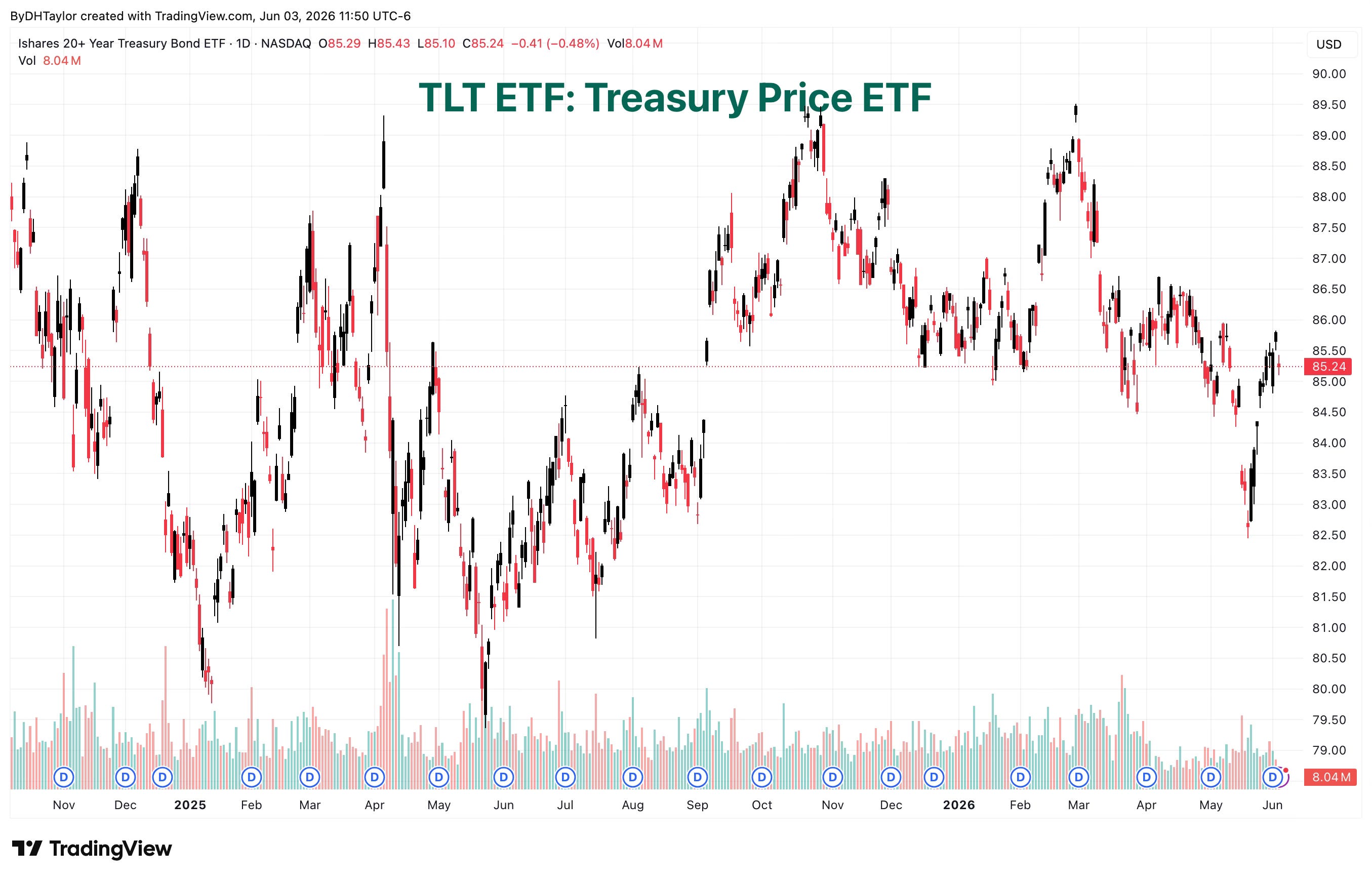
There are three main things that will occur from here: oil prices will continue to move higher as stocks dwindle, and the lack of continuous flows through the Strait remain. Stocks and fungible, usable stock piles of crude will deteriorate, and oil prices move up. This causes continued price pressures. That will affect inflation gains around the world; Treasury yields will shift back upwards. Finally, the stock market will see the writing on the wall, and the AI craze will get checked.
I’ve built up a sizable position of long TLT ETF vertical put spreads with a few months to play. I see a shift in yields on the 10 up to 4.75% to 5.00%, and that will affect the long end further, which that is what TLT trades off of.
I continue to chase WTI options, but have had a difficult time getting filled, and USO is of no real use right now as their spreads are wide. Nonetheless, the entire base-case thesis is driven on the fact that oil prices are heading higher. I have looked at XLE ETF as a way to take advantage of oil prices moving higher, but if the stock market falls because of economic realities, there is a competing interest.
The stock market itself is likely to get a reality check, and this may finally be the straw that cracks the AI craze.
I think this is the beginning of bigger moves, and this is an opportunity that I am positioning to take advantage of.